
How Much Does a Heavy-Duty Wheel Loader Cost to Buy or Rent?
1. Introduction
A heavy-duty wheel loader is a major investment for construction companies, mining operations, quarries, aggregate yards, ports, recycling facilities, and other businesses that need to move large quantities of heavy materials. Compared with compact or standard wheel loaders, heavy-duty models typically offer higher engine power, larger buckets, greater operating capacity, stronger axles, heavier-duty frames, and better performance in demanding working conditions. As a result, the purchase price and rental cost can vary significantly depending on the machine's specifications and intended application.
When considering a heavy-duty wheel loader, many buyers focus first on the advertised machine price. However, the purchase price is only one part of the total cost. Transportation, taxes, financing, fuel, tires, maintenance, spare parts, operator costs, and depreciation can all affect the actual cost of ownership. Similarly, renting a wheel loader may appear inexpensive when looking at a daily rental rate, but long-term rental costs, transportation, fuel, insurance, and other charges can add up quickly.
The decision to buy or rent therefore depends largely on how often the machine will be used, how long the project will last, the available budget, and the expected workload. This guide explains the major costs associated with buying and renting a heavy-duty wheel loader and provides practical guidance for choosing the most economical option.
2. How Much Does a Heavy-Duty Wheel Loader Cost to Buy?
The price of a new heavy-duty wheel loader can range from tens of thousands to several hundred thousand US dollars, depending on its size, specifications, brand, configuration, and market. Smaller heavy-duty models may have relatively moderate purchase prices, while large mining and quarry wheel loaders with very high capacities can cost substantially more.
For example, a loader with an engine output of around 120–160 hp and a bucket capacity of approximately 2–3 m³ will generally cost much less than a large machine equipped with a 250–400+ hp engine and a bucket of 4–6 m³ or more. Specialized machines designed for mining, quarrying, or continuous high-load operation can command significantly higher prices.
Brand reputation is another important factor. Premium international brands may have higher purchase prices because of brand recognition, dealer networks, technology, financing options, and established after-sales support. Chinese manufacturers can sometimes provide similar basic working capabilities at a more competitive price, particularly when purchasing directly from the factory.
Buyers should also consider whether the quoted price is EXW, FOB, CIF, or another trade term. A factory quotation may not include shipping, insurance, import duties, local taxes, or inland transportation.
3. How Much Does a Heavy-Duty Wheel Loader Cost to Rent?
Rental prices vary considerably by country, machine size, rental company, project duration, and local market conditions. A heavy-duty wheel loader may be rented by the day, week, month, or for a longer project period.
Daily rental is normally more expensive on a per-day basis but can make sense for short-term jobs. Weekly and monthly rentals usually provide a lower effective daily rate. For projects lasting several months or longer, companies may negotiate special long-term rental rates.
The rental quotation should be examined carefully. Some rental companies include basic maintenance, while others charge separately for transportation, fuel, insurance, operator services, or excessive wear.
For example, a company may advertise an attractive monthly rental rate, but transportation to the job site and return transportation could add a substantial additional cost. Fuel is also commonly paid by the renter.
Therefore, instead of comparing only the advertised rental rate, calculate the total rental cost for the entire project period.
4. New vs. Used Heavy-Duty Wheel Loader Prices
Buying a used wheel loader can significantly reduce the initial investment. However, the purchase price alone does not determine whether a used machine is economical.
A relatively new used loader with low operating hours and a complete maintenance history may provide excellent value. On the other hand, an inexpensive machine with very high operating hours may require major repairs shortly after purchase.
Important factors when evaluating a used heavy-duty wheel loader include:
Operating hours
Manufacturing year
Engine condition
Transmission condition
Hydraulic system
Axles and differentials
Tires
Bucket and linkage wear
Frame condition
Maintenance history
Previous working environment
Availability of spare parts
Machines previously used in mining or quarry applications may experience much heavier wear than machines used for general construction. Consequently, two loaders of the same age can have very different market values.
A professional inspection before purchasing a used machine can help identify potential repair costs and prevent an apparently cheap machine from becoming an expensive investment.
5. Main Factors That Affect Heavy-Duty Wheel Loader Prices
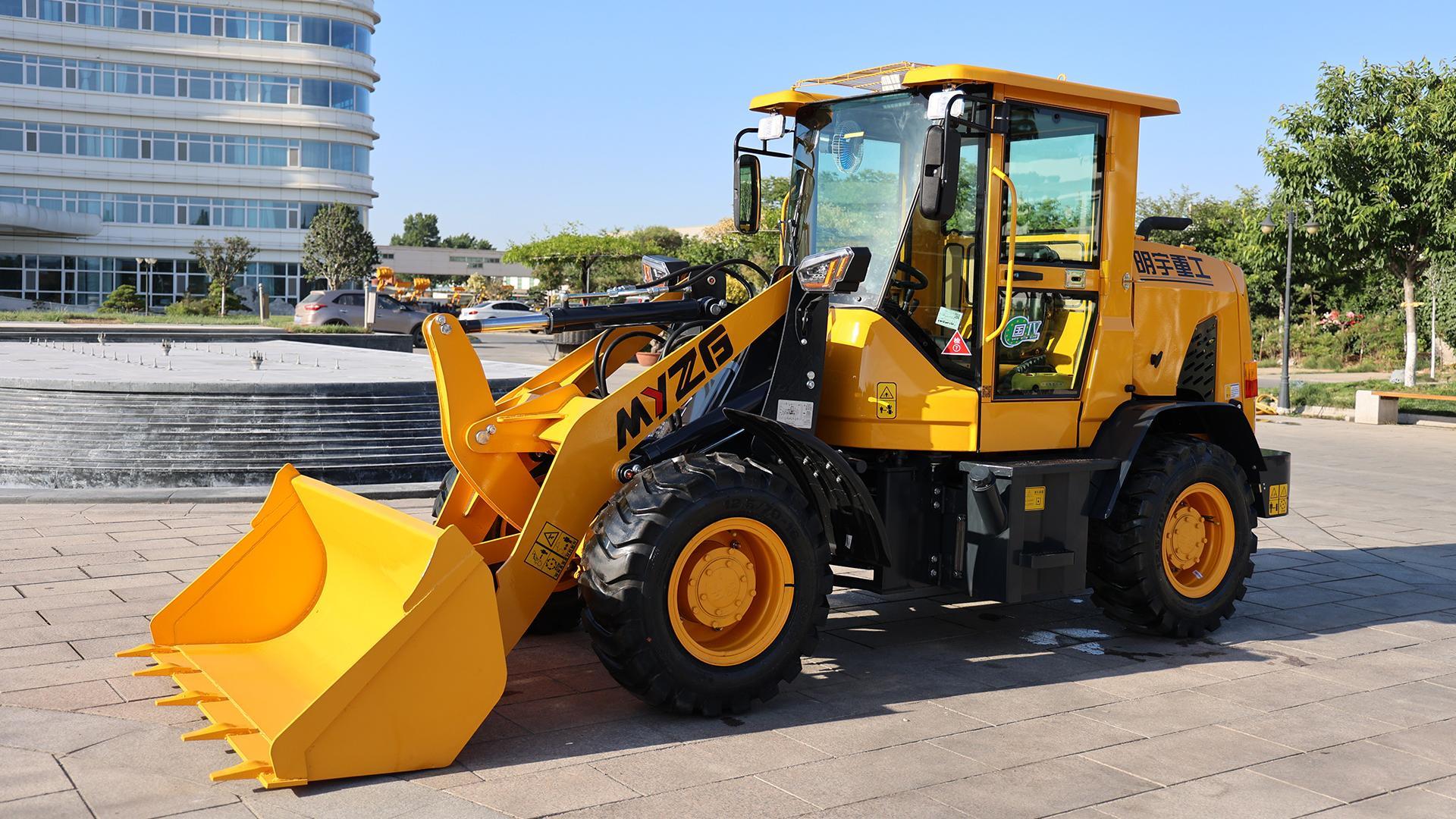
The specifications of a wheel loader have a direct impact on its purchase price.
Engine power: More powerful engines generally increase the machine's cost. Higher horsepower is useful when working with heavy materials, steep terrain, large buckets, or demanding loading cycles.
Rated operating capacity: A loader designed to handle heavier loads normally requires a stronger frame, hydraulic system, axles, and lifting mechanism.
Bucket capacity: Larger buckets increase productivity but also require greater machine power and structural strength.
Operating weight: Heavier machines generally use more material and stronger components, increasing manufacturing costs.
Breakout force: High breakout force is particularly important when loading dense or compacted materials.
Transmission and axles: Heavy-duty transmissions and reinforced axles can increase both the purchase price and long-term durability.
Emission standards: Engines meeting stricter emission requirements, such as Stage V or other applicable standards, can increase the cost because of additional emission-control technology.
Cab and operator features: Air conditioning, heating, suspension seats, cameras, monitoring systems, and other comfort and safety features can also affect the final price.
Attachments: Specialized buckets, forks, grapples, snow attachments, and other implements can add considerably to the total investment.
6. Additional Costs When Buying a Heavy-Duty Wheel Loader
The purchase price should never be treated as the complete investment.
For an imported machine, transportation can be a major expense. Depending on the machine's dimensions, the loader may require a special transport vehicle, break-bulk shipping, RoRo shipping, or containerized transportation where dimensions permit.
Other potential costs include:
Ocean freight
Inland transportation
Import duties
VAT or other taxes
Customs clearance
Insurance
Port charges
Financing costs
Registration or local compliance costs
Spare parts
Maintenance
Tires
Fuel
Operator wages
Tires deserve particular attention. Heavy-duty wheel loader tires can be expensive, especially for large machines operating on rough surfaces. Frequent tire replacement can have a noticeable effect on the total cost of ownership.
Warranty and after-sales service should also be considered. A slightly more expensive machine with reliable spare-parts availability and technical support may ultimately be cheaper than a lower-priced machine that is difficult to maintain.
7. Additional Costs When Renting a Heavy-Duty Wheel Loader
Renting transfers some ownership responsibilities to the rental company, but it does not necessarily eliminate all additional costs.
Depending on the rental agreement, the renter may be responsible for:
Transportation to the work site
Fuel
Operator
Insurance
Cleaning
Damage caused during operation
Excessive tire wear
Additional operating hours
Rental deposits
Taxes and local fees
Some contracts specify a maximum number of operating hours per day or month. Exceeding that limit may result in additional charges.
Before signing a rental contract, check exactly what is included in the quoted rate. Ask whether maintenance is included, who pays for unexpected repairs, what happens if the machine breaks down, and whether a replacement machine is provided.
A clear rental agreement can prevent unexpected expenses later.
8. Buying vs. Renting: Total Cost of Ownership
The best way to compare buying and renting is to calculate the total cost rather than looking at only the initial price.
For buying, the basic calculation can be represented as:
Total Ownership Cost = Purchase Price + Financing + Transportation + Maintenance + Fuel + Insurance + Tires − Resale Value
For renting:
Total Rental Cost = Rental Fees + Transportation + Fuel + Insurance + Operator Costs + Other Charges
Suppose a company needs a wheel loader for only two months. Renting may be more economical because the company avoids the large upfront investment and does not have to worry about long-term depreciation.
However, if the machine will operate eight hours a day for several years, purchasing may make more financial sense. After the initial investment, the company owns an asset that can continue generating value and can eventually be sold.
The break-even point is especially useful. If the cumulative rental cost becomes higher than the effective ownership cost after a certain period, purchasing may be the better long-term option.
9. Which Heavy-Duty Wheel Loader Size Do You Need?
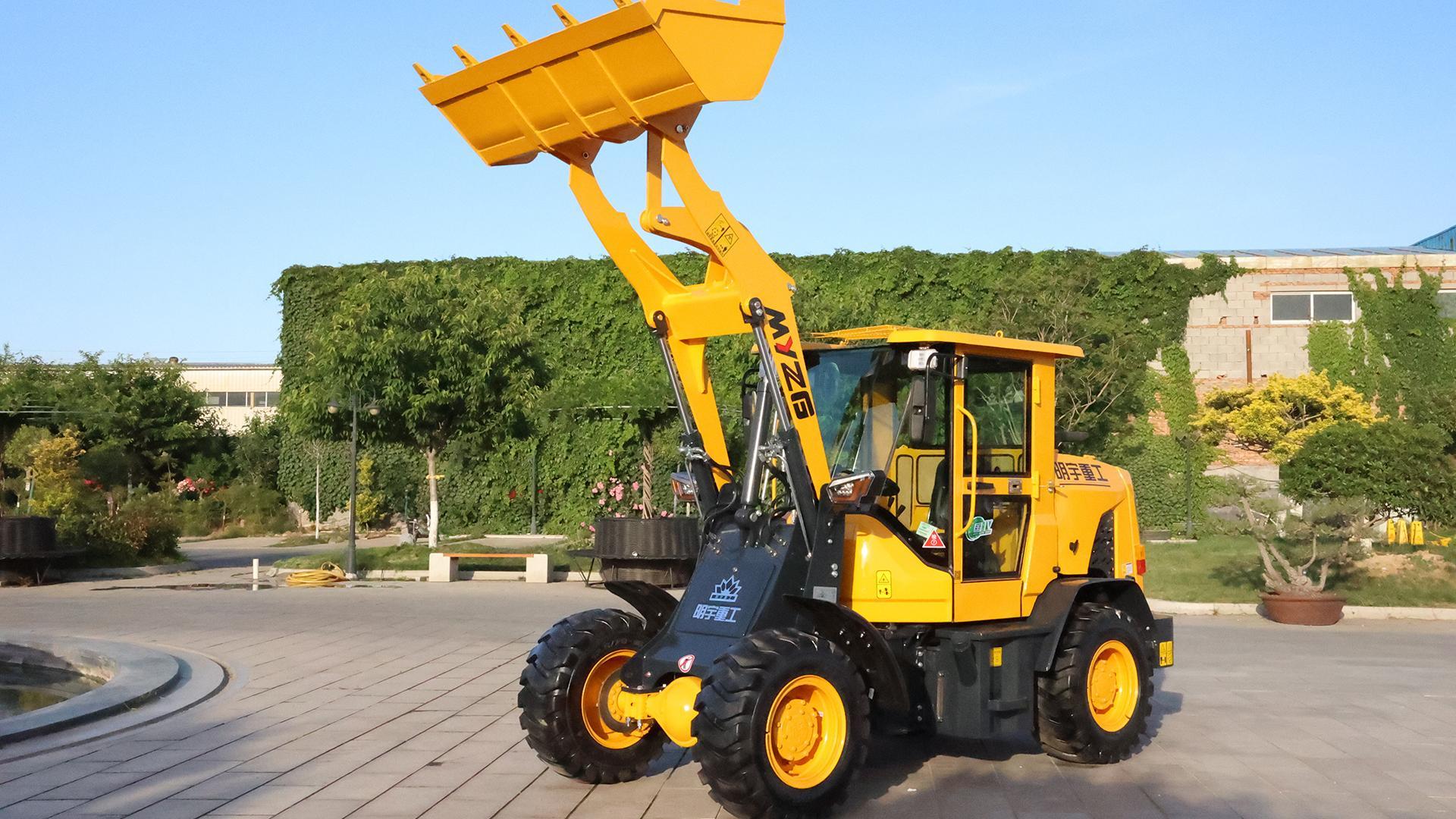
Choosing the correct size is just as important as negotiating the price.
For construction applications, a medium-sized loader may be sufficient for moving soil, sand, gravel, and construction debris. Larger aggregate operations may require bigger buckets and higher lifting capacity.
Mining and quarry operations often require machines designed for continuous heavy-duty cycles. These machines need strong structures, high breakout force, durable tires, and reliable cooling systems.
Ports and industrial yards may have different requirements. Operators may prioritize high productivity, good visibility, fuel efficiency, and compatibility with specific attachments.
The correct bucket should also match the material being handled. A very large bucket may increase productivity, but if the machine is not powerful or stable enough, it can reduce efficiency and increase component wear.
It is therefore better to select a loader based on the complete working cycle rather than simply choosing the largest machine available.
10. How to Reduce the Cost of a Heavy-Duty Wheel Loader
There are several ways to control the overall investment.
First, compare quotations from multiple manufacturers and dealers. Look beyond the headline price and compare engine brand, hydraulic components, transmission, warranty, tires, attachments, and spare-parts support.
Second, consider purchasing directly from the manufacturer when appropriate. Factory-direct purchasing may reduce intermediary costs, although buyers should carefully evaluate technical support and parts availability.
Third, avoid paying for unnecessary options. Features that provide genuine productivity or safety benefits can be worthwhile, but unnecessary configurations increase the initial investment.
Fourth, evaluate fuel consumption. A machine that costs slightly more but consumes significantly less fuel may have a lower total cost over several years.
Finally, negotiate the complete package rather than only the machine price. Buyers may be able to negotiate spare parts, attachments, warranty terms, shipping arrangements, or other items as part of the deal.
11. When Should You Buy Instead of Rent?
Buying is usually more attractive when the machine will be used frequently and for a long period.
It can make sense to purchase when:
The machine will operate year-round
Annual operating hours are high
The company has multiple long-term projects
The machine requires customized attachments
Immediate availability is important
The company wants to build its own equipment fleet
The expected resale value is reasonable
Ownership also gives the company greater control over machine availability. There is no need to return the machine at the end of a rental period or compete with other customers for rental equipment during busy seasons.
For businesses with predictable long-term workloads, owning a heavy-duty wheel loader can therefore provide both operational and financial advantages.
12. When Is Renting Better Than Buying?
Renting can be the better choice for short-term or uncertain projects.
For example, a construction company may receive a temporary contract requiring a larger loader for three months. Purchasing a machine specifically for that project may not be financially attractive, especially if the loader will have limited use afterward.
Renting can also be useful when:
The project is short-term
Equipment demand changes frequently
The company wants to preserve cash
The machine will be used only seasonally
The company wants to test a particular model
Maintenance resources are limited
A temporary increase in workload requires additional equipment
Rental also provides flexibility. A company can select a different machine for each project instead of maintaining a large fleet of specialized equipment.
However, long-term rental costs should always be compared with the potential ownership cost before making a decision.
13. Conclusion
The cost of a heavy-duty wheel loader depends on much more than its advertised purchase price or rental rate. Machine size, engine power, bucket capacity, operating capacity, brand, emission standard, configuration, attachments, and market conditions all influence the initial price.
For buyers, the real investment includes transportation, taxes, financing, fuel, maintenance, tires, insurance, and eventual resale value. For renters, the real cost may include rental fees, transportation, fuel, insurance, operators, and additional usage charges.
In general, renting is often attractive for short-term, seasonal, or uncertain projects, while buying can be more economical for companies that use a wheel loader regularly over many years. The best decision comes from calculating the total cost over the expected operating period.
Before purchasing or renting, define the required lifting capacity, bucket size, working environment, annual operating hours, and project duration. Then compare the complete cost of ownership with the complete rental cost. This approach will help you choose a heavy-duty wheel loader that provides the best balance of productivity, reliability, and long-term value.
Post time:Sep.04.2026
