
What Is the Horsepower of a Typical Skid Steer?
1. Introduction
Skid steer loaders are among the most versatile and widely used machines in construction, agriculture, landscaping, and material handling. Their compact size, maneuverability, and ability to use a wide range of attachments make them indispensable on job sites of all sizes. Whether you are moving soil, lifting pallets, drilling holes, or clearing debris, a skid steer can handle the job efficiently.
One of the most important specifications buyers and operators look at when choosing a skid steer is horsepower. But what exactly does horsepower mean in this context, and how much horsepower does a typical skid steer have? Understanding this can help you select the right machine for your needs, avoid overspending, and ensure optimal performance on the job.
In this article, we will break down everything you need to know about skid steer horsepower, including typical ranges, factors that influence it, and how to choose the right power level for your specific applications.
2. What Does Horsepower Mean?
Horsepower (HP) is a unit of measurement used to describe the power output of an engine. In simple terms, it indicates how much work an engine can perform over time. The higher the horsepower, the more powerful the machine.
In skid steers, there are two key types of horsepower to understand:
1. Engine Horsepower
This refers to the raw power generated by the engine. It determines how much energy is available to drive the machine and operate its systems.
2. Hydraulic Horsepower
Hydraulic horsepower is the power delivered through the hydraulic system to operate attachments like augers, trenchers, and breakers. Even if two machines have similar engine horsepower, differences in hydraulic efficiency can lead to very different performance levels.
Horsepower plays a critical role in:
Lifting and carrying loads
Operating attachments
Machine speed and responsiveness
Overall productivity
However, horsepower alone does not determine performance. Other factors like torque, hydraulic flow, and machine weight also play significant roles.
3. Typical Horsepower Range of Skid Steers
The horsepower of skid steers varies depending on their size, design, and intended use. Generally, skid steers fall within the following ranges:
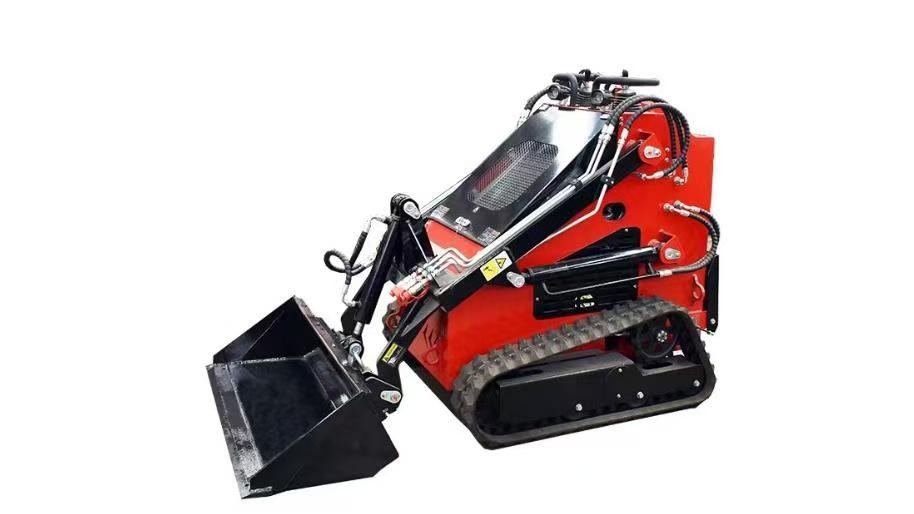
Small Skid Steers (40–50 HP)
These compact machines are ideal for light-duty tasks such as:
Landscaping
Residential construction
Indoor work in tight spaces
They are easy to transport, fuel-efficient, and cost-effective, but they have limited lifting capacity and attachment performance.
Medium Skid Steers (50–70 HP)
This is the most common category and offers a balance between power and versatility. These machines are suitable for:
General construction
Material handling
Farm operations
They provide enough horsepower to handle most attachments while remaining relatively efficient.
Large Skid Steers (70–100+ HP)
High-horsepower skid steers are designed for heavy-duty applications, including:
Roadwork
Demolition
Large-scale earthmoving
These machines can handle demanding attachments and heavy loads but typically come with higher fuel consumption and purchase costs.
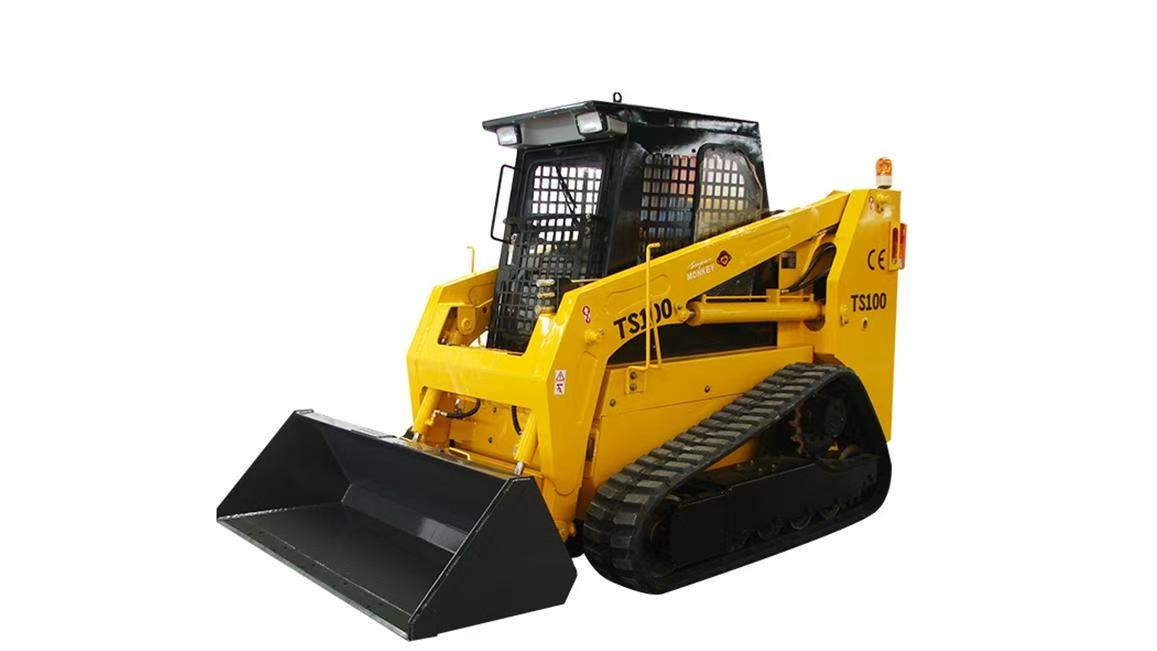
4. Factors That Affect Skid Steer Horsepower
Several factors influence how much horsepower a skid steer has and how effectively it uses that power:
Engine Size and Design
Larger engines generally produce more horsepower. Turbocharged diesel engines are common in higher-powered skid steers, delivering better performance and efficiency.
Machine Weight and Build
Heavier machines often require more horsepower to maintain performance. A well-balanced design ensures that power is used efficiently.
Hydraulic System Efficiency
A high-quality hydraulic system can maximize the usable power from the engine. Machines with high-flow hydraulics can deliver more power to attachments.
Manufacturer Engineering
Different manufacturers optimize their machines differently. Some prioritize fuel efficiency, while others focus on raw power or hydraulic performance.
5. Horsepower vs. Operating Capacity
Horsepower and operating capacity are closely related but not the same thing.
Rated Operating Capacity (ROC) refers to the maximum weight a skid steer can safely lift and carry. While higher horsepower often supports greater lifting capacity, other factors like:
Machine geometry
Counterweight design
Hydraulic strength
also play a role.
For example, a machine with 75 HP may have a significantly higher ROC than one with 50 HP, making it more suitable for heavy material handling tasks.
In general:
More horsepower = better ability to handle heavy loads
But proper balance and design are equally important
6. Horsepower vs. Hydraulic Performance
Hydraulic performance is where horsepower truly translates into productivity.
Standard Flow Hydraulics
Most skid steers come with standard-flow hydraulics, which are sufficient for basic attachments like buckets and forks.
High-Flow Hydraulics
High-flow systems use additional horsepower to power demanding attachments such as:
Forestry mulchers
Cold planers
Snow blowers
Without sufficient horsepower, these attachments will not perform efficiently.
For example, running a trencher on a low-horsepower skid steer may result in slow operation and increased wear, while a high-horsepower machine can complete the job quickly and effectively.
7. Choosing the Right Horsepower for Your Needs
Selecting the right horsepower depends on your specific applications:
Light-Duty Applications (40–50 HP)
Landscaping
Light material transport
Small property maintenance
These machines are affordable, fuel-efficient, and easy to operate.
Medium-Duty Applications (50–70 HP)
Construction projects
Loading and unloading materials
Agricultural work
This range offers the best balance between power and cost.
Heavy-Duty Applications (70–100+ HP)
Demolition
Road construction
Large-scale site preparation
These machines provide maximum productivity but come at a higher cost.
When choosing horsepower, consider:
Types of attachments you will use
Job site conditions
Budget and fuel costs
8. Fuel Efficiency and Horsepower
Higher horsepower usually means higher fuel consumption. However, modern engines are designed to balance power and efficiency.
Key considerations:
Larger engines consume more fuel but complete tasks faster
Efficient machines reduce idle time and fuel waste
Proper maintenance improves fuel efficiency
In many cases, a slightly higher horsepower machine can actually save money by completing jobs more quickly.
9. Popular Skid Steer Models and Their Horsepower
Leading manufacturers offer a wide range of skid steer models with varying horsepower levels.
Common examples include:
Entry-level models: around 45–55 HP
Mid-range models: around 60–75 HP
High-performance models: 80–100+ HP
Modern trends show increasing demand for:
High-flow hydraulic systems
More powerful engines
Improved fuel efficiency
Buyers today are looking for machines that combine power, durability, and versatility.
10. Common Misconceptions About Horsepower
“More horsepower is always better”
Not necessarily. Too much horsepower for light tasks can lead to unnecessary fuel costs.
Ignoring hydraulic performance
A machine with high horsepower but poor hydraulics may underperform compared to a well-balanced machine.
Overbuying equipment
Choosing a machine that exceeds your needs can increase costs without improving productivity.
11. Conclusion
The typical horsepower of a skid steer ranges from 40 HP to over 100 HP, depending on the size and intended use of the machine. While horsepower is a crucial factor in determining performance, it should not be considered in isolation.
To choose the right skid steer, you need to evaluate:
Your workload and applications
Required attachments
Budget and operating costs
By understanding how horsepower interacts with hydraulics, operating capacity, and machine design, you can make a smarter investment and maximize efficiency on your job site.
Post time:Apr.02.2026
