
What Is the Average Fuel Consumption (Gallons/Liters per Hour) of a Wheel Loader?
Wheel loaders are among the most widely used machines in construction, mining, agriculture, and material handling industries. Because these machines operate for long hours and handle heavy loads, fuel consumption becomes one of the most important factors affecting operating costs. Contractors and equipment managers often ask: what is the average fuel consumption of a wheel loader? In general, wheel loader fuel consumption is measured in gallons per hour (GPH) or liters per hour (L/h). The actual fuel usage depends on many factors, including machine size, engine power, workload intensity, operator skill, and terrain conditions. Understanding the average fuel consumption of wheel loaders helps businesses estimate operating expenses, improve fuel efficiency, and choose the right equipment for their projects.
To understand wheel loader fuel consumption, it is important to know how it is measured. Most manufacturers and equipment operators measure fuel usage based on the amount of fuel burned per hour of operation. This measurement is usually expressed as gallons per hour in the United States and liters per hour in most other countries. Unlike passenger vehicles, which measure fuel economy based on distance traveled, heavy construction equipment focuses on hourly fuel consumption because these machines often work in limited areas with frequent loading cycles rather than long-distance travel. In addition, actual fuel consumption can vary significantly depending on the type of work being performed, such as loading trucks, stockpiling materials, or transporting aggregates across a site.
The size of the wheel loader plays a major role in determining its fuel consumption. Small wheel loaders with engine power between 50 and 100 horsepower typically consume about 1.5 to 3 gallons of diesel fuel per hour (approximately 6 to 11 liters per hour). These machines are commonly used for light-duty applications such as landscaping, farm work, and small construction projects. Medium-sized wheel loaders with engine power ranging from 100 to 200 horsepower generally consume around 3 to 6 gallons per hour (11 to 23 liters per hour). These machines are often used in general construction, material handling yards, and municipal operations. Large wheel loaders with engines exceeding 200 horsepower may consume anywhere from 6 to 12 gallons per hour (23 to 45 liters per hour) or even more in heavy-duty mining applications.
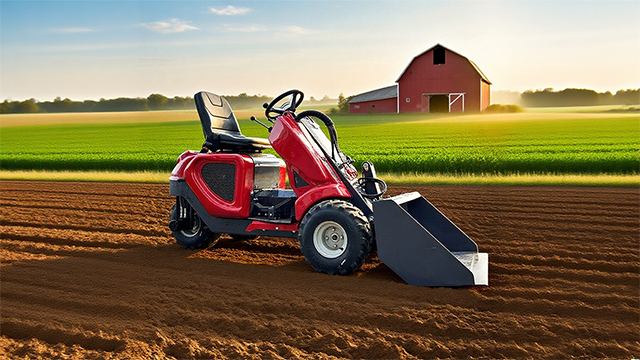
Working conditions also have a significant impact on fuel consumption. In light-duty operations such as moving loose soil or loading lightweight materials, a wheel loader may operate at lower engine loads, resulting in lower fuel consumption. In contrast, heavy-duty tasks such as quarry operations, mining, or continuous truck loading require the engine to operate at higher power levels for longer periods. This increases fuel consumption considerably. Terrain also plays a role; working on slopes or rough ground requires more engine power than operating on flat surfaces. Additionally, long travel distances between loading and dumping points can further increase fuel usage.
Engine technology is another important factor affecting wheel loader fuel efficiency. Modern diesel engines are designed to provide high power while maintaining lower fuel consumption and reduced emissions. Features such as turbocharging, electronic fuel injection, and advanced engine management systems help optimize fuel delivery and combustion efficiency. Many modern wheel loaders are equipped with eco-mode or automatic idle systems that reduce engine speed when full power is not required. These technologies can significantly reduce fuel consumption, especially in operations where the machine spends a considerable amount of time idling.
Operator behavior also plays a crucial role in determining fuel consumption. Skilled operators who understand efficient loading techniques can complete tasks more quickly and use less fuel. For example, avoiding excessive acceleration, maintaining smooth driving patterns, and minimizing unnecessary travel can reduce fuel usage. On the other hand, inexperienced operators may increase fuel consumption by over-revving the engine, carrying excessive loads, or leaving the machine idling for long periods. Proper training and experience can therefore have a measurable impact on overall fuel efficiency.
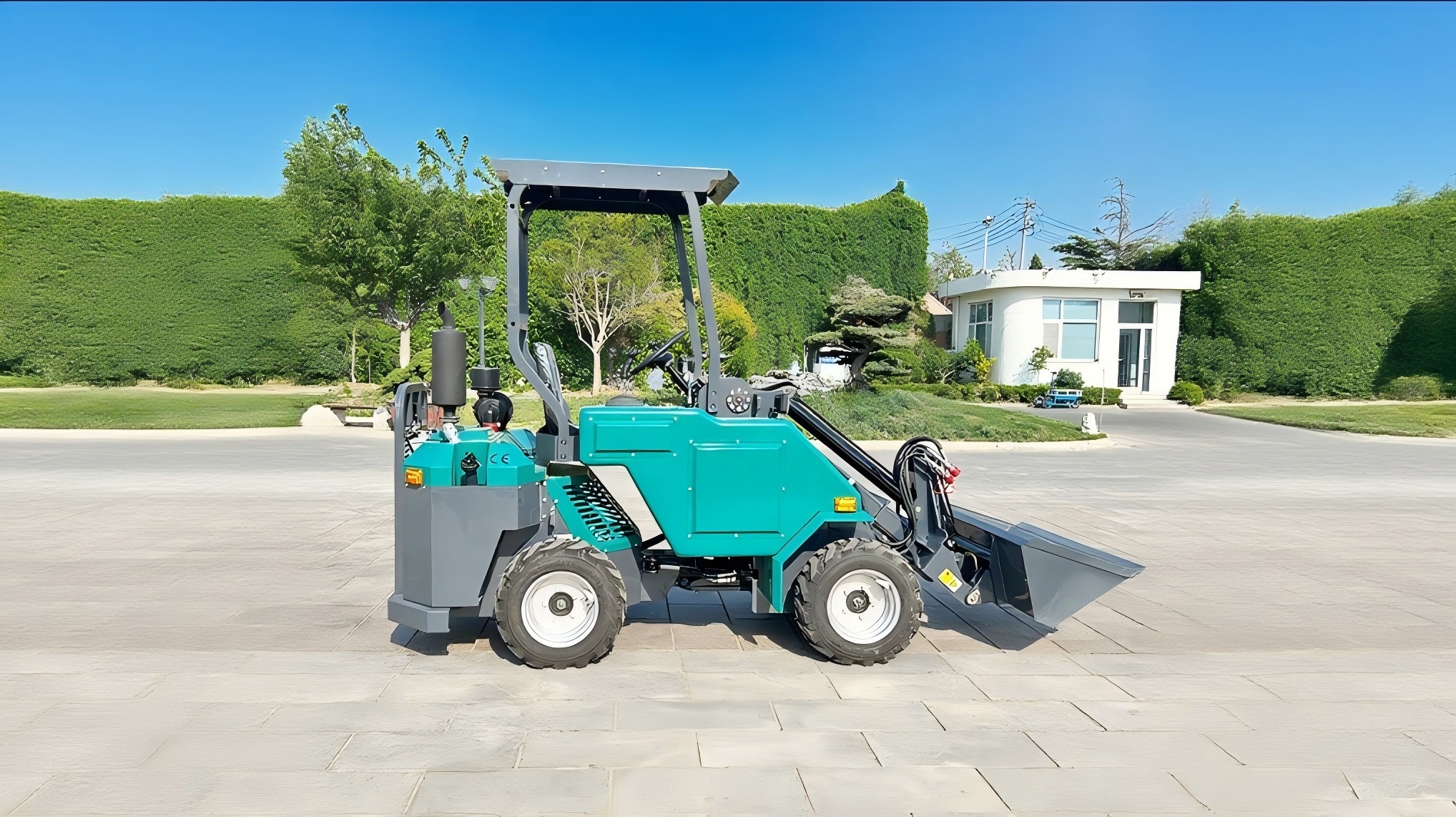
When comparing wheel loaders with other types of construction equipment, their fuel consumption falls within a moderate range. For example, skid steer loaders typically consume around 2 to 4 gallons per hour due to their smaller engines and lighter workloads. Excavators may consume anywhere from 3 to 8 gallons per hour depending on their size and hydraulic demands. Bulldozers, especially large models used in mining or earthmoving, can consume significantly more fuel than wheel loaders because of their continuous pushing operations and high engine loads. Therefore, wheel loaders provide a balanced combination of power, versatility, and fuel efficiency for many types of projects.
Reducing fuel consumption is an important goal for many construction companies. Regular maintenance is one of the most effective ways to improve fuel efficiency. Keeping air filters clean, maintaining proper tire pressure, and ensuring the engine and hydraulic systems are functioning properly can all help reduce fuel consumption. In addition, optimizing loading cycles and minimizing idle time can significantly lower fuel usage. Many companies also use telematics systems to monitor machine performance and fuel consumption in real time, allowing them to identify inefficiencies and improve operational practices.
Estimating fuel costs is essential for project budgeting and equipment management. For example, if a medium-sized wheel loader consumes about 4 gallons of diesel per hour and operates for eight hours per day, the machine will use approximately 32 gallons of fuel per day. Over a 22-day working month, this could amount to more than 700 gallons of diesel. By understanding these numbers, contractors can better estimate operating costs and determine whether investing in more fuel-efficient equipment or improved operating practices could reduce expenses. Ultimately, selecting the right wheel loader size and maintaining efficient operations are the key factors in balancing productivity and fuel consumption.
Post time:Mar.12.2026
