
What Are the Most Reliable Global Forklift Brands for Heavy Use?
1. Introduction
Forklifts are among the most valuable assets in warehouses, factories, ports, construction sites, and logistics centers. In heavy-duty applications, these machines often operate for 8 to 24 hours per day, moving thousands of tons of materials every month. Under such demanding conditions, reliability becomes far more important than the initial purchase price. A dependable forklift minimizes downtime, reduces maintenance costs, improves workplace safety, and delivers a higher return on investment throughout its service life.
Equipment failure can have serious consequences for businesses. A broken hydraulic pump, transmission failure, or electrical fault may stop production lines, delay shipments, and increase labor costs. Unexpected downtime often costs much more than scheduled maintenance. For companies that rely heavily on material handling, selecting a forklift from a reliable manufacturer is a strategic business decision rather than simply buying another piece of equipment.
Today's global forklift market offers many reputable manufacturers, ranging from long-established Japanese, German, and American brands to rapidly improving Chinese manufacturers. Each brand has developed its own strengths in engineering, durability, fuel efficiency, electric technology, after-sales support, and cost performance. Some excel in heavy industrial applications, while others dominate warehouse operations or electric forklift technology.
However, there is no single forklift brand that is perfect for every business. The best choice depends on factors such as operating environment, daily workload, maintenance capability, availability of spare parts, and long-term ownership costs.
This guide explores the world's most reliable forklift brands for heavy-duty applications. We'll examine the characteristics that define reliability, compare leading global manufacturers, discuss the strengths of different brands, and provide practical advice to help buyers choose equipment that offers maximum performance, durability, and long-term value.
2. What Makes a Forklift Brand Reliable?
Reliability is much more than a famous brand name or attractive marketing. It results from consistent engineering quality, durable components, comprehensive testing, and dependable customer support.
One of the most important factors is overall manufacturing quality. Reliable forklift manufacturers invest heavily in precision machining, robotic welding, automated painting systems, and strict quality control throughout production. Better manufacturing consistency reduces component failures and extends equipment lifespan.
Engine and drivetrain durability are equally critical. Diesel and LPG forklifts rely on engines capable of operating continuously under heavy loads without overheating or excessive wear. Premium manufacturers often use proven engines from suppliers such as Kubota, Isuzu, Mitsubishi, Yanmar, Cummins, or their own well-tested powertrains. Electric forklifts depend on efficient AC drive motors, reliable controllers, and advanced battery management systems to ensure stable performance.
Hydraulic system quality also determines long-term reliability. High-quality pumps, cylinders, valves, seals, and hoses provide smooth lifting performance while minimizing oil leaks and maintenance requirements. A robust hydraulic system is especially important for forklifts operating multiple shifts every day.
The mast and chassis design significantly affect structural durability. Heavy-duty forklifts experience continuous stress while lifting, transporting, and stacking loads. Reinforced steel frames, precision-manufactured masts, and high-strength welds help prevent structural fatigue after years of intensive operation.
Another essential factor is component quality. Leading manufacturers work closely with internationally recognized suppliers of transmissions, axles, hydraulic systems, electrical components, bearings, and braking systems. Using proven components increases overall equipment reliability and simplifies maintenance.
After-sales service also distinguishes reliable brands from less established competitors. Even the best forklift occasionally requires maintenance or replacement parts. Manufacturers with extensive dealer networks and efficient spare parts distribution help customers minimize downtime and maintain productivity.
Finally, warranty coverage reflects a manufacturer's confidence in its products. Companies offering comprehensive warranties and responsive technical support demonstrate commitment to long-term customer satisfaction rather than simply completing a sale.
3. Key Factors to Consider Before Choosing a Forklift Brand
Selecting the most reliable forklift involves more than comparing brand names. Buyers should carefully evaluate their operational requirements before making an investment.
The first consideration is load capacity. Warehouses handling pallets weighing 1–2 tons require different equipment than steel plants moving 8-ton loads. Purchasing a forklift that consistently operates near its maximum capacity accelerates wear and shortens service life.
The working environment also plays a major role. Indoor warehouses generally prioritize compact electric forklifts with low emissions, quiet operation, and tight turning radii. Outdoor construction sites, lumber yards, ports, and mining facilities usually require powerful diesel forklifts capable of operating on rough terrain under demanding weather conditions.
Power source selection significantly influences long-term reliability. Diesel forklifts remain popular for heavy outdoor applications because of their continuous power output and fast refueling. LPG forklifts provide cleaner emissions while maintaining strong performance. Electric forklifts have become increasingly reliable thanks to AC drive systems and lithium-ion battery technology, making them ideal for warehouses and food processing facilities.
Daily operating hours should also influence equipment selection. A forklift used only a few hours each day experiences far less stress than one operating continuously in two or three shifts. Businesses with intensive operations should prioritize heavy-duty models specifically designed for extended daily use.
Maintenance capability is another important factor. Some premium brands incorporate advanced electronic systems requiring specialized diagnostic equipment, while others emphasize simpler mechanical designs that local technicians can repair more easily.
Local dealer support should never be overlooked. Even the world's most reliable forklift becomes problematic if spare parts are unavailable or service technicians are located hundreds of kilometers away. Buyers should always evaluate the local service network before choosing a manufacturer.
Finally, businesses should consider future expansion. Selecting equipment that can accommodate increasing production requirements often proves more economical than replacing undersized forklifts after only a few years.
4. The Most Reliable Global Forklift Brands
Several manufacturers have earned worldwide reputations for producing durable forklifts capable of operating reliably in demanding industrial environments. Although each brand has unique strengths, the following companies consistently rank among the industry's most trusted names.
Toyota Forklift
Toyota is widely recognized as one of the world's leading forklift manufacturers. Its forklifts are known for exceptional build quality, fuel efficiency, advanced safety systems, and outstanding long-term reliability.
Toyota forklifts are commonly found in manufacturing plants, distribution centers, retail warehouses, and logistics operations worldwide. Their reputation for low maintenance costs and excellent resale value makes them a preferred choice for many businesses.
Hyster
Hyster has built its reputation by producing rugged forklifts designed specifically for demanding industrial applications. Ports, shipping terminals, steel mills, paper mills, and heavy manufacturing facilities frequently rely on Hyster equipment.
Its forklifts feature strong chassis construction, durable hydraulic systems, and excellent lifting performance under continuous heavy workloads. Although maintenance costs may be higher than lighter-duty equipment, Hyster machines are built to withstand extremely challenging environments.
KION Group (Linde & STILL)
Linde and STILL, both members of Germany's KION Group, are known for premium engineering and advanced warehouse technology.
Linde forklifts emphasize ergonomic design, hydrostatic drive systems, energy efficiency, and precise handling. STILL specializes in innovative warehouse equipment with excellent maneuverability and intelligent fleet management solutions.
Both brands are particularly popular throughout Europe and among companies requiring high-performance warehouse equipment.
Mitsubishi Forklift Trucks
Mitsubishi forklifts have earned a strong reputation for smooth operation, dependable engines, and long service life.
These forklifts are commonly used in manufacturing, logistics, food processing, and warehouse environments where consistent daily performance is essential. Their balanced combination of reliability, operator comfort, and efficient maintenance makes them attractive to many medium and large businesses.
Komatsu
Komatsu is internationally recognized for heavy construction and mining equipment, and its forklift division benefits from the company's extensive engineering expertise.
Komatsu forklifts are designed for demanding industrial environments where durability is a priority. Their robust drivetrains, reinforced chassis, and reliable hydraulic systems make them suitable for manufacturing plants, ports, timber yards, and heavy logistics operations.
HELI
HELI has become one of China's largest forklift manufacturers and has established a growing presence in international markets.
Its product range covers diesel, LPG, lithium-ion electric, and warehouse forklifts. HELI focuses on delivering reliable performance at competitive prices, making it attractive to businesses seeking lower ownership costs without sacrificing essential reliability.
Hangcha (HC)
Hangcha has rapidly expanded its global market share through continuous investment in electric forklift technology and international service networks.
Its lithium-ion forklift series has received widespread recognition for energy efficiency, stable performance, and competitive pricing. Hangcha products are widely used in warehouses, logistics centers, retail distribution, and manufacturing industries.
Doosan / Bobcat Material Handling
Originally developed under the Doosan brand and now operating as Bobcat Material Handling in many markets, these forklifts are well known for their powerful diesel engines, rugged construction, and dependable outdoor performance.
They are widely used in construction, manufacturing, lumber yards, ports, and heavy industrial facilities where equipment must withstand demanding operating conditions. Their durable drivetrains, strong lifting capability, and relatively simple maintenance make them popular among companies requiring reliable heavy-duty equipment.
Clark
Clark is one of the oldest forklift manufacturers in the world and has played a significant role in the development of modern forklift technology.
Its forklifts are recognized for straightforward mechanical designs, reliable performance, and broad global dealer support. Clark machines are commonly found in warehouses, manufacturing plants, logistics centers, and retail distribution facilities.
The brand offers a good balance between durability, affordability, and ease of maintenance, making it a practical choice for businesses seeking dependable equipment without premium pricing.
Emerging Chinese Manufacturers
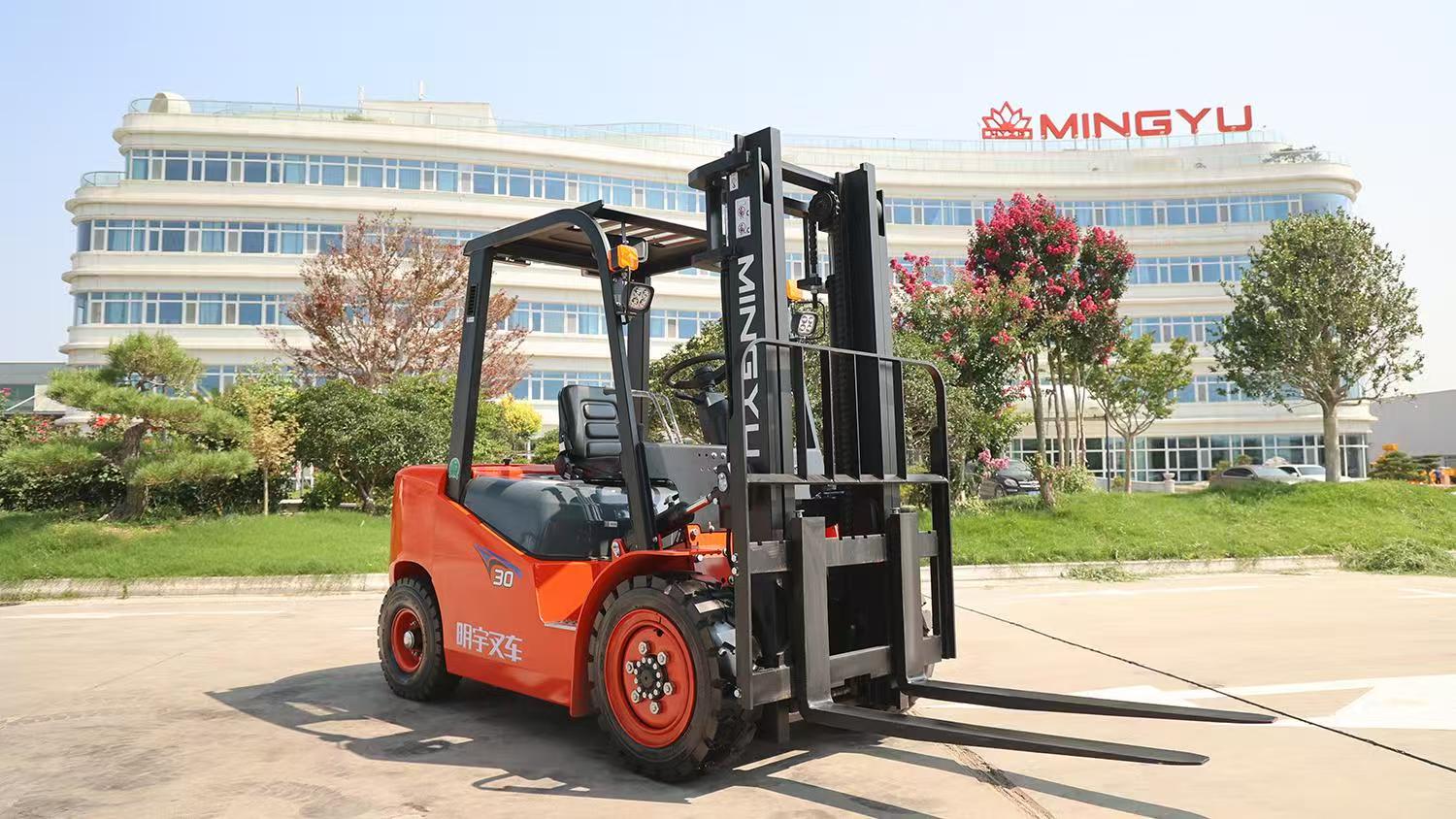
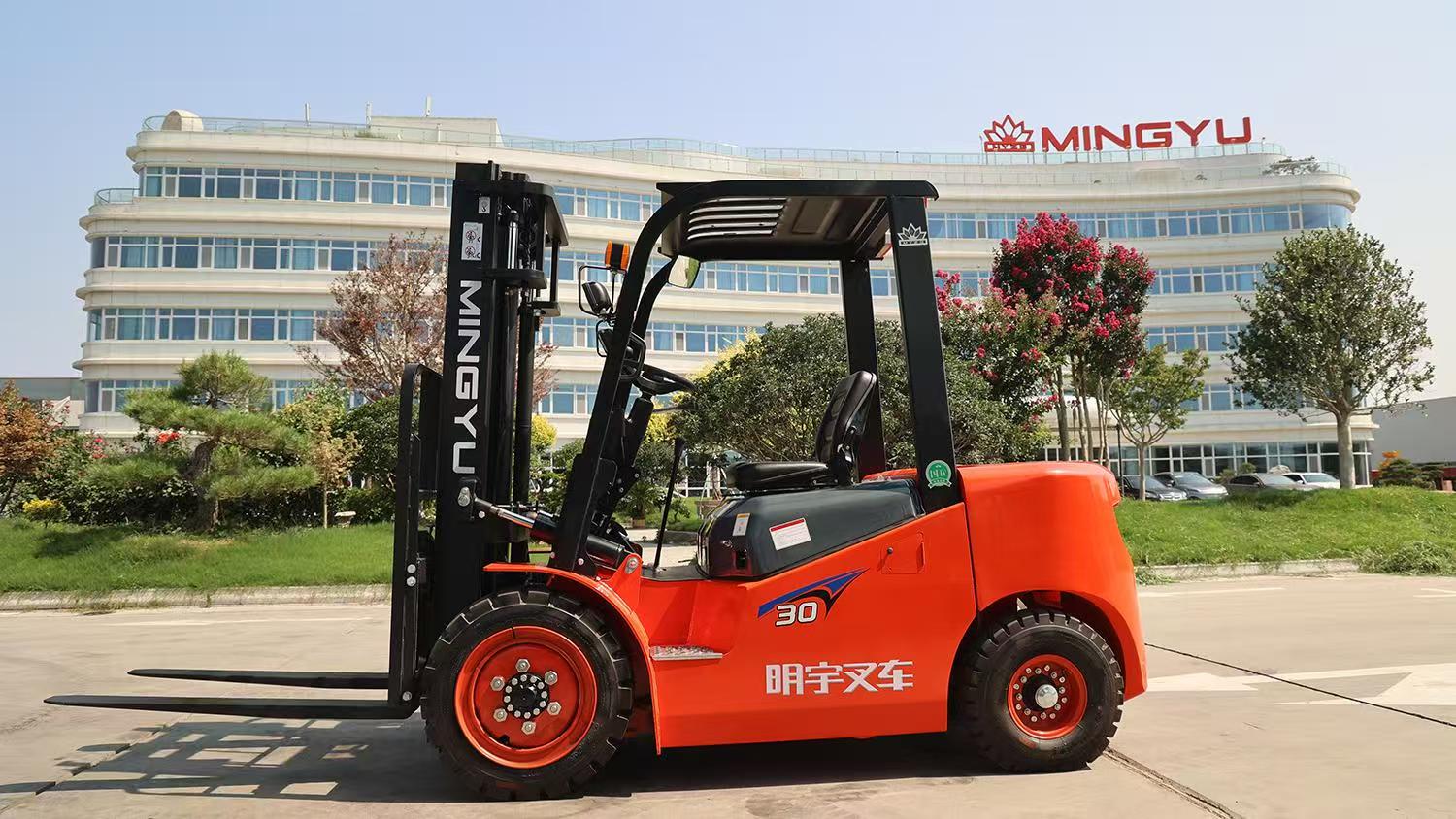
Over the past decade, Chinese forklift manufacturers have made remarkable improvements in engineering quality, manufacturing technology, and international service capabilities.
Many companies now utilize robotic welding, automated production lines, internationally sourced hydraulic systems, AC drive technology, lithium-ion batteries, and globally recognized components. As a result, reliability has improved significantly while maintaining competitive pricing.
For businesses focused on balancing performance and investment cost, many Chinese brands now provide an attractive alternative to traditional premium manufacturers, particularly in standard warehouse and logistics applications.
5. Comparing Forklift Brands for Heavy Use
Although every manufacturer promotes its own strengths, buyers should compare forklifts using objective criteria rather than marketing materials alone.
Reliability
Toyota, Linde, Hyster, Komatsu, Mitsubishi, and Clark have built long-standing reputations for outstanding reliability through decades of industrial operation.
Chinese manufacturers such as HELI and Hangcha have also achieved substantial improvements in product quality, particularly within the past decade, narrowing the gap with established international brands.
Maintenance Costs
Premium brands often require genuine replacement parts and specialized service technicians, which may increase maintenance expenses.
Many Chinese forklifts feature simpler designs and lower spare parts costs, reducing overall maintenance expenditures, especially in developing markets.
Fuel Efficiency
Toyota and Linde have earned excellent reputations for fuel-efficient diesel and LPG forklifts.
Electric forklifts from Hangcha, HELI, Linde, and Toyota offer increasingly competitive energy efficiency thanks to advanced AC drive systems and lithium-ion battery technology.
Electric Forklift Performance
The electric forklift market has advanced rapidly in recent years.
Toyota, Linde, STILL, Hangcha, HELI, Mitsubishi, and Clark all offer reliable electric models suitable for warehouses, food processing plants, pharmaceutical facilities, and clean manufacturing environments.
Lithium-ion batteries continue replacing traditional lead-acid batteries due to their faster charging, maintenance-free operation, longer lifespan, and consistent performance.
Spare Parts Availability
Global brands generally maintain extensive dealer networks and reliable spare parts distribution.
However, buyers should evaluate local availability rather than relying solely on worldwide reputation. A brand with excellent local inventory and technical support often provides lower operating costs than a premium brand with limited regional service.
Dealer Support
Reliable technical support can significantly reduce equipment downtime.
Manufacturers investing in technician training, online diagnostics, and rapid parts delivery often provide greater long-term value than brands offering lower initial purchase prices.
Total Cost of Ownership
Purchase price represents only one portion of forklift ownership.
Fuel or electricity consumption, maintenance costs, replacement parts, labor, operator productivity, equipment lifespan, and resale value collectively determine the true long-term cost.
Businesses should evaluate total ownership costs over five to ten years rather than focusing exclusively on the initial investment.
6. How to Maximize Forklift Reliability Regardless of Brand
Even the world's most reliable forklift requires proper maintenance to achieve its expected service life.
Daily inspections should include checking hydraulic oil levels, engine oil, coolant, brakes, steering, tires, forks, chains, mast rollers, warning lights, and safety devices. Identifying small problems before they become major failures significantly reduces repair costs.
Preventive maintenance remains the most effective method for extending forklift lifespan. Regular replacement of filters, hydraulic oil, transmission fluid, lubricants, and worn components helps prevent unexpected breakdowns.
Operator training is equally important. Aggressive driving, sudden braking, excessive speed, improper load handling, and overloading place unnecessary stress on the drivetrain and hydraulic system.
Using genuine spare parts or high-quality certified replacements also contributes to equipment reliability. Low-quality aftermarket components often shorten service life and increase repair frequency.
Electric forklifts require special attention to battery maintenance. Lithium-ion batteries generally require less maintenance than lead-acid batteries but should still be charged according to manufacturer recommendations to maximize lifespan.
Hydraulic systems should be inspected regularly for leaks, damaged hoses, contaminated oil, and worn seals. Small hydraulic problems can quickly develop into expensive repairs if ignored.
Tires also influence forklift performance. Proper tire selection, inflation (for pneumatic tires), and timely replacement improve stability, reduce component stress, and enhance operator safety.
Following manufacturer-recommended maintenance schedules ensures maximum reliability regardless of forklift brand.
7. Common Mistakes When Buying a Heavy-Duty Forklift
Many buyers concentrate primarily on purchase price while overlooking the long-term operating costs associated with forklift ownership.
One common mistake is purchasing equipment based solely on the lowest quotation. Lower initial prices may result in higher maintenance costs, reduced productivity, shorter service life, and greater downtime.
Another frequent error involves ignoring local dealer support. Even highly reliable equipment becomes difficult to maintain if spare parts and qualified technicians are unavailable.
Choosing the wrong load capacity is equally problematic. Undersized forklifts experience excessive wear when continuously overloaded, while oversized machines consume more fuel, require larger operating areas, and increase operating costs unnecessarily.
Some companies also fail to consider their actual operating environment. A forklift designed for smooth warehouse floors may perform poorly in construction sites, ports, or outdoor yards.
Power source selection is another important consideration. Diesel, LPG, and electric forklifts each offer distinct advantages depending on working conditions, operating hours, environmental regulations, and energy costs.
Finally, businesses often underestimate future growth. Purchasing equipment with limited capacity may require expensive replacement much sooner than expected as production expands.
8. Expert Recommendations and Final Buying Guide
Selecting the most reliable forklift brand depends on matching equipment capabilities with actual operating requirements rather than simply choosing the most expensive manufacturer.
For heavy industrial applications such as steel plants, ports, mining, timber yards, and construction projects, brands like Hyster, Komatsu, Toyota, and Bobcat Material Handling offer exceptional durability and proven performance under demanding conditions.
For manufacturing plants, logistics centers, and general warehousing, Toyota, Mitsubishi, Linde, Clark, HELI, and Hangcha provide an excellent balance of reliability, efficiency, and operating costs.
Companies investing heavily in electric forklifts should carefully evaluate lithium-ion technology, battery warranties, charging infrastructure, and long-term energy savings. Leading manufacturers now offer highly reliable electric models capable of replacing diesel forklifts in many indoor applications.
Chinese manufacturers such as HELI and Hangcha have become increasingly competitive by combining modern manufacturing technology, improving quality control, expanding international service networks, and offering attractive pricing. For many businesses, these brands now provide outstanding value without compromising essential reliability.
Before making a final purchasing decision, buyers should compare load capacity, operating environment, daily utilization, maintenance support, spare parts availability, warranty coverage, total ownership costs, and future expansion plans.
Ultimately, the most reliable forklift is not necessarily the one with the highest purchase price—it is the machine that consistently delivers safe, efficient, and dependable performance throughout its entire service life while meeting the specific operational needs of your business. By carefully evaluating both the manufacturer and your own working conditions, you can invest in a forklift that maximizes productivity, minimizes downtime, and provides excellent long-term return on investment.
Post time:Jun.30.2026
