
How to Operate a Forklift Safely and Efficiently: A Complete Guide
1. Introduction
Forklifts are essential machines in industries such as warehousing, logistics, construction, and manufacturing. They make it possible to move heavy loads quickly and efficiently, improving productivity and reducing manual labor. However, operating a forklift is not as simple as it may seem. Improper use can lead to serious accidents, equipment damage, and costly downtime.
Learning how to operate a forklift safely is crucial for both new and experienced operators. Proper training ensures that loads are handled correctly, workplace risks are minimized, and operations run smoothly. In many countries, certification is also a legal requirement, making it even more important to understand correct procedures.
This comprehensive guide will walk you through everything you need to know—from understanding forklift basics and controls to mastering safe operating techniques and avoiding common mistakes.
2. What Is a Forklift?
A forklift is a powered industrial truck designed to lift, carry, and transport materials over short distances. It uses two forks (or prongs) attached to a mast to lift loads, usually placed on pallets.
There are several common types of forklifts:
Counterbalance forklifts: The most widely used, ideal for general warehouse tasks
Reach trucks: Designed for narrow aisles and high stacking
Pallet jacks: Used for moving pallets at ground level
Rough terrain forklifts: Built for outdoor use on uneven surfaces
Key components of a forklift include:
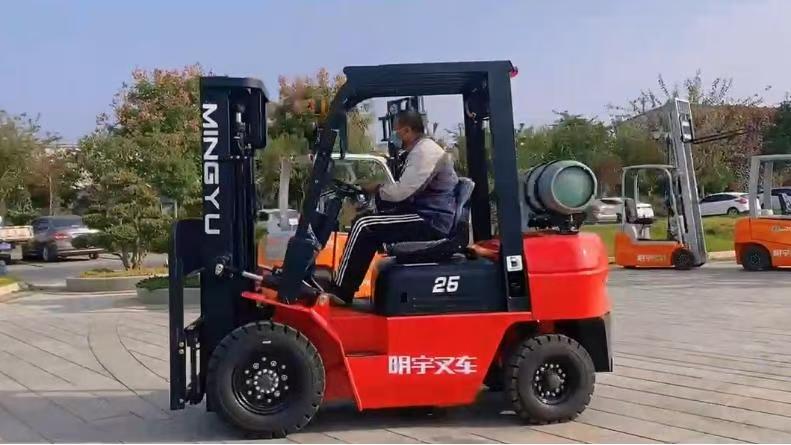
Mast: The vertical assembly that raises and lowers the load
Forks: The prongs used to lift pallets
Overhead guard: Protects the operator from falling objects
Controls: Steering wheel, pedals, and hydraulic levers
Understanding these basic elements is the first step toward safe operation.
3. Forklift Certification and Legal Requirements
Operating a forklift typically requires proper training and certification. Regulations vary by country, but most follow strict safety standards to protect workers.
Training usually includes:
Classroom instruction: Covers safety rules, equipment knowledge, and hazard awareness
Hands-on practice: Teaches real-world operation skills
Evaluation: Ensures the operator can safely handle the forklift
Employers are responsible for ensuring that operators are trained and evaluated. Certification is not just a formality—it significantly reduces the risk of workplace accidents.
Even after certification, operators should receive refresher training periodically, especially if they switch equipment types or are involved in an incident.
4. Pre-Operation Inspection Checklist
Before operating a forklift, a daily inspection is essential. This helps identify potential issues before they become serious problems.
Visual checks include:
Tires: Look for wear, cracks, or low pressure
Forks: Check for bends or damage
Mast: Ensure it moves smoothly
Fluid leaks: Inspect under the machine
Functional checks include:
Brakes: Must respond quickly and effectively
Steering: Should be smooth and precise
Horn and lights: Ensure they are working properly
Controls: Test lifting, tilting, and lowering functions
If any defects are found, the forklift should not be used until it is repaired. Reporting issues immediately helps maintain safety and prevent costly breakdowns.
5. Understanding Forklift Controls
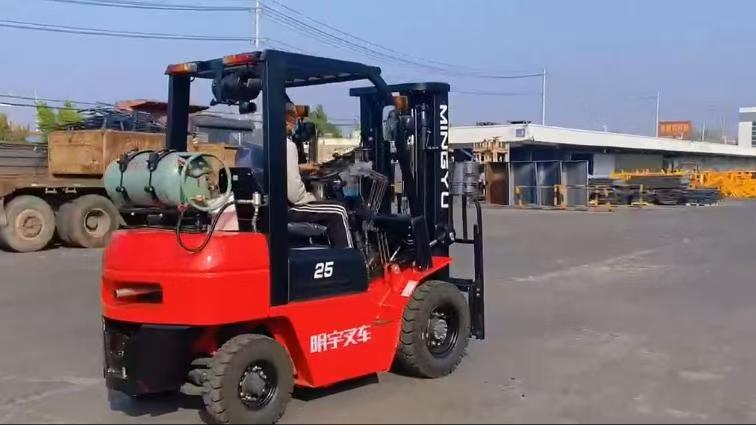
Forklift controls may vary slightly depending on the model, but most share common features.
Steering wheel: Controls direction (rear-wheel steering makes turning sharper)
Accelerator and brake pedals: Control speed and stopping
Hydraulic levers: Operate lifting, lowering, and tilting of the forks
Dashboard indicators: Display fuel level, battery status, and warning lights
Electric forklifts tend to be quieter and smoother, while diesel or gas-powered forklifts are often used outdoors for heavier loads.
Before operating any forklift, take time to familiarize yourself with its specific controls.
6. Basic Forklift Operating Steps
Operating a forklift safely starts with proper technique.
Starting the forklift:
Sit properly with your seatbelt fastened
Adjust mirrors and seat position
Ensure the parking brake is engaged before starting
Driving the forklift:
Move slowly and steadily
Keep both hands on the controls
Always look in the direction of travel
Turning:
Be cautious—rear-wheel steering causes the back of the forklift to swing outward
Slow down before turning
Stopping and parking:
Gradually apply the brakes
Lower the forks completely to the ground
Set the parking brake and turn off the engine
Maintaining control at all times is key to preventing accidents.
7. Safe Load Handling Techniques
Handling loads properly is one of the most important forklift skills.
Before lifting:
Check the load weight and ensure it is within capacity
Position the forks evenly and fully under the load
Lifting the load:
Raise the load slowly
Tilt the mast slightly backward for stability
Traveling with a load:
Keep the load low (about 10–15 cm off the ground)
Drive at a safe speed
Maintain clear visibility (drive in reverse if the load blocks your view)
Placing the load:
Stop completely before lowering
Align the load carefully
Lower gently and remove the forks slowly
Improper load handling can cause tipping, which is one of the most common forklift accidents.
8. Workplace Safety Guidelines
Safety should always be the top priority when operating a forklift.
Stay alert to pedestrians and obstacles
Follow workplace speed limits
Keep a safe distance from edges and ramps
Use the horn at intersections or blind spots
Avoid sudden movements or sharp turns
Operating on slopes:
Always keep the load uphill
Do not turn on an incline
In confined spaces:
Move slowly
Be extra cautious with turning and visibility
Wearing proper safety gear, such as a seatbelt, is essential for operator protection.
9. Common Mistakes to Avoid
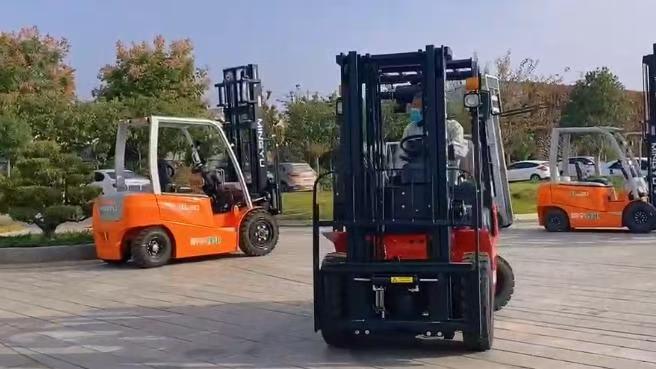
Even experienced operators can make mistakes. Being aware of them helps prevent accidents.
Overloading the forklift: Exceeding capacity can cause tipping
Driving too fast: Reduces control and increases risk
Improper turning: Can destabilize the forklift
Ignoring maintenance issues: Leads to equipment failure
Carrying passengers: Most forklifts are designed for one operator only
Avoiding these errors is critical for maintaining a safe working environment.
10. Forklift Maintenance Tips
Regular maintenance keeps forklifts running efficiently and safely.
Perform daily inspections before use
Check fluid levels (oil, coolant, hydraulic fluid)
Keep the forklift clean
Replace worn or damaged parts promptly
For electric forklifts:
Charge the battery properly
Avoid overcharging or deep discharging
For fuel-powered forklifts:
Monitor fuel levels
Check for leaks or unusual engine noises
Scheduled servicing by qualified technicians ensures long-term reliability.
11. Advanced Operating Tips
Once you master the basics, advanced techniques can improve efficiency.
Tight spaces: Use slow, controlled movements
Fragile loads: Lift and place gently to avoid damage
Outdoor operation: Be mindful of uneven terrain and weather conditions
Adapting your driving style to different situations helps you become a more skilled operator.
12. Conclusion
Operating a forklift safely and efficiently requires proper training, attention to detail, and consistent practice. From conducting daily inspections to handling loads correctly, every step plays a role in maintaining a safe workplace.
By following the guidelines in this article, operators can reduce risks, improve productivity, and extend the lifespan of their equipment. Safety is not just a requirement—it is a responsibility that protects both people and business operations.
Continuous learning and adherence to best practices will ensure long-term success in forklift operation.
Post time:Apr.22.2026
