
The question of how often forklift tires should be replaced is a cornerstone of effective industrial maintenance, with the straightforward answer being: when they are worn beyond safe and functional limits. Unlike the mileage-based replacement schedules common for automotive tires, forklift tire replacement is driven by wear patterns, operational conditions, and the specific type of tire itself. There is no universal time or hour-based interval; a tire on a forklift operating 24/7 in a harsh scrap yard may need replacement in months, while one in a clean, climate-controlled warehouse used for light duty might last for years. The critical understanding is that forklift tires are not just consumables but vital safety components. They are the sole point of contact between the multi-ton machine and the ground, responsible for traction, stability, braking, and load-bearing integrity. Premature wear or failure can lead to catastrophic outcomes, including tip-overs, dropped loads, and loss of control. Therefore, moving beyond a simple time-based schedule to a condition-based monitoring protocol is essential. This approach requires a thorough understanding of the three main tire categories: pneumatic, cushion, and solid/polyurethane, each with distinct wear characteristics and replacement indicators. Establishing a daily inspection routine, understanding the factors that accelerate wear, and recognizing the clear signs of end-of-life are the keys to optimizing both safety and operational cost-effectiveness.
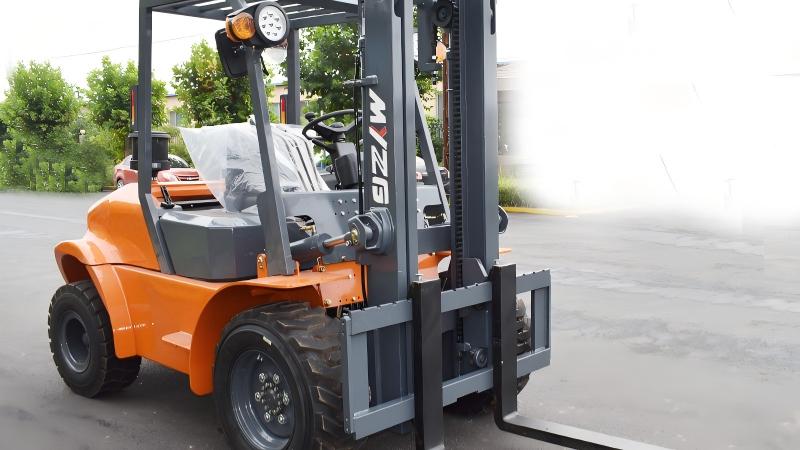
The frequency of replacement is intrinsically linked to the type of tire and its operating environment. Pneumatic tires, similar to car tires and filled with air, are used on forklifts for outdoor or rough terrain applications. They provide excellent shock absorption and traction but are susceptible to cuts, punctures, and gradual tread wear. Their replacement is often necessitated by visible damage, persistent air loss, or when tread depth is worn to the wear bars or indicators molded into the tire. For indoor use, cushion tires and solid tires are prevalent. Cushier tires, made of solid rubber and bonded to a metal band, are common on electric forklifts. They wear down gradually, and replacement is typically required when the overall diameter is reduced by a significant percentage (often around 25% of the original height), or when the tire is worn down to the fabric reinforcement or the metal band itself. Solid polyurethane tires offer the longest lifespan and are highly resistant to wear and cutting. However, they can still degrade from extreme loads or chemical exposure. For all types, the operating environment is a massive determinant of lifespan. Constant contact with abrasive concrete, exposure to oils, chemicals, or metal shavings, and operation on uneven surfaces will drastically shorten tire life compared to operation on smooth, clean flooring. Furthermore, the forklift's application—constant heavy lifting versus occasional light loads—directly impacts wear rate.
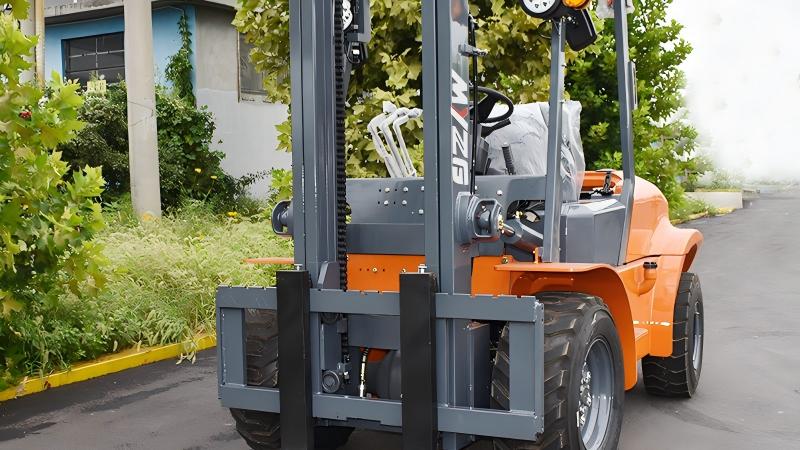
Implementing a proactive and systematic inspection regimen is the most effective strategy to determine the precise replacement timing, moving from reactive fixes to predictive maintenance. Operators should perform a visual and functional check at the start of each shift, looking for obvious signs like deep cuts, chunks missing from the tire, severe cracking (weather checking), or foreign objects embedded in the tread. For pneumatic tires, checking air pressure weekly is non-negotiable; under-inflation is a leading cause of premature wear, excessive heat buildup, and reduced stability. For cushion and solid tires, measurement is key. Many facilities use a simple caliper or gauge to track the tire's diameter or thickness over time. Comparing current measurements to the tire's original specifications provides an objective wear percentage. Another critical inspection point is wear pattern analysis. Uneven wear—such as excessive wear on one side or cupping and scalloping across the tread—is rarely just a tire issue. It is a symptom of misalignment, worn mast components, axle issues, or improper operating habits like frequent sharp turns while carrying loads. Replacing the tire without diagnosing and correcting the root cause will only lead to the same rapid, uneven wear on the new tire, wasting money and compromising safety. Therefore, tire condition serves as a diagnostic tool for the overall health of the forklift.
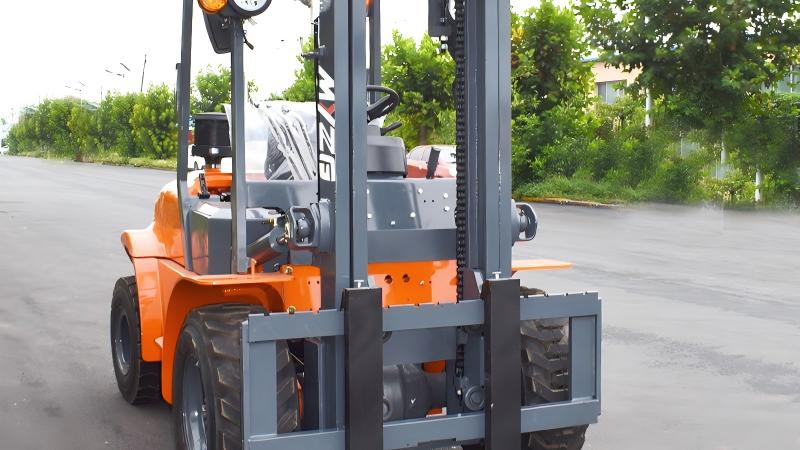
Ultimately, establishing a formal tire management program within your maintenance schedule is the best practice for answering the replacement question definitively. This program should integrate daily operator checks, scheduled weekly or monthly professional inspections by a technician, and detailed record-keeping for each forklift. Documentation should include tire installation dates, regular measurement logs, and notes on any repairs or rotations. This data builds a historical profile, allowing managers to predict replacement needs and budget accordingly. It's also crucial to understand that delaying replacement beyond the safe point carries severe hidden costs. Excessively worn tires reduce fuel or battery efficiency, cause vibration that accelerates wear on drivetrain and mast components, and impair braking performance. Most importantly, they dramatically increase the risk of workplace accidents. A worn tire has reduced traction, especially when wet, increasing the likelihood of skidding. It also lowers the forklift's effective ground clearance and can adversely affect its stability under load, as the stability triangle is calculated based on the machine's specifications with proper tires. In conclusion, forklift tires should be replaced not according to a calendar, but according to their condition. By empowering operators with knowledge, enforcing rigorous inspection routines, and treating tire wear as a key performance and safety indicator, businesses can ensure optimal forklift operation, maximize tire investment, and, above all, maintain a safer working environment for everyone.
Post time:Jan.30.2026
