
How Much Does a Backhoe Weigh? Everything You Need to Know
Backhoes are among the most versatile and widely used machines in construction, landscaping, and agriculture. They combine the functions of a loader and an excavator, allowing operators to perform digging, lifting, loading, and material handling tasks with a single machine. However, one critical specification that often confuses both beginners and experienced operators is backhoe weight.
The weight of a backhoe affects its transport, stability, fuel efficiency, and job site compatibility. Choosing the right machine requires understanding not just the raw numbers, but the factors that contribute to weight and how different backhoe models compare. In this article, we’ll break down everything you need to know about backhoe weight, including average ranges, variations by size, influential factors, and practical considerations for operators and businesses.
What Is a Backhoe?
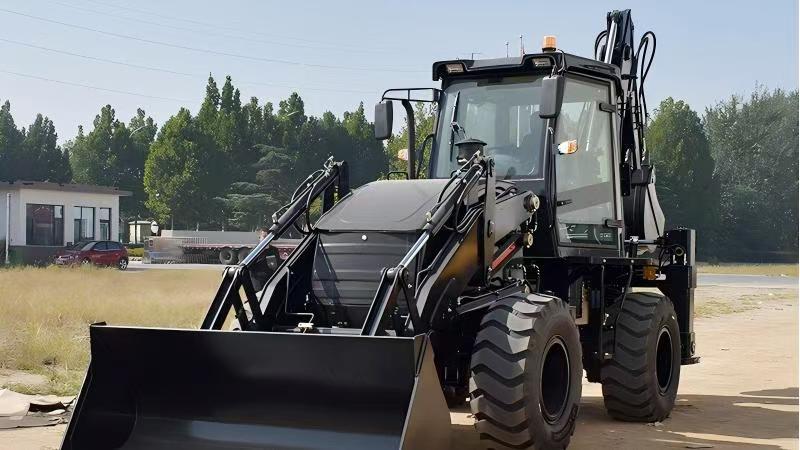
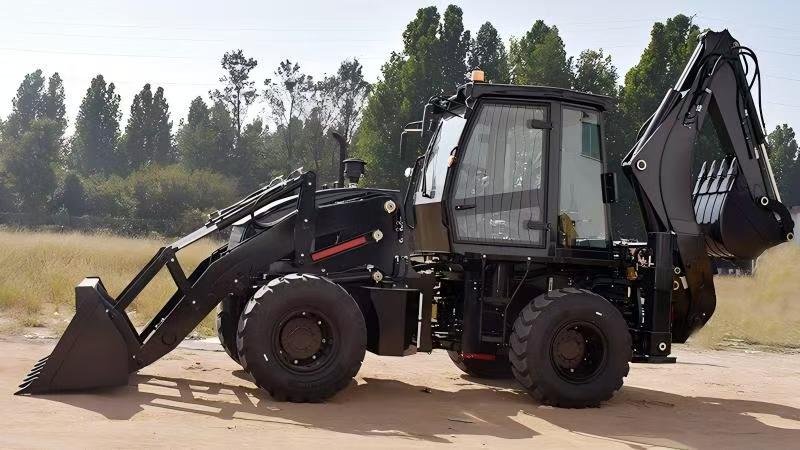
A backhoe, also known as a backhoe loader, is a type of heavy machinery designed for digging and loading operations. It typically consists of three primary components:
Front Loader – The bucket in the front of the machine can lift and carry materials such as dirt, gravel, or sand.
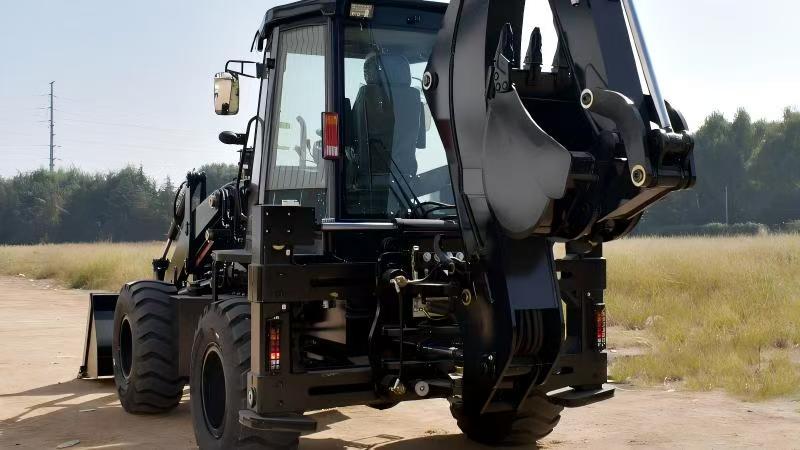
Backhoe Arm – Attached to the rear, this arm is used for digging trenches, holes, or foundations.
Cab and Chassis – The operator sits in a cab that provides controls for both the loader and backhoe functions.
Backhoes are used in a variety of industries, from construction and roadwork to agriculture and landscaping. Their popularity comes from their versatility: one machine can dig, lift, backfill, and transport materials in tight spaces where larger excavators might not fit.
Average Weight of a Backhoe
Backhoe weight varies depending on its size, capacity, and intended application. On average:
Compact backhoes: 7,000–12,000 lbs (3–5.5 tons)
Standard backhoes: 12,000–18,000 lbs (5.5–8 tons)
Heavy-duty backhoes: 18,000–25,000 lbs (8–11 tons)
The variation exists because manufacturers design backhoes with different engine sizes, structural reinforcements, and optional attachments. Understanding these numbers is crucial, especially if you plan to transport the machine or work on sensitive job sites.
Backhoe Weight by Size Category
1. Compact Backhoes
Compact backhoes are smaller, lighter machines designed for jobs with limited space. They are popular in urban construction, landscaping, and residential projects.
Weight range: 7,000–12,000 lbs (3–5.5 tons)
Advantages:
Easier to transport on a smaller trailer
Less soil compaction, suitable for soft ground
More fuel-efficient than larger models
While their digging depth and lifting capacity are limited compared to larger backhoes, compact models are ideal for light to moderate work.
2. Standard Backhoes
Standard backhoes are the most commonly used models in construction and infrastructure projects.
Weight range: 12,000–18,000 lbs (5.5–8 tons)
Applications:
Road maintenance
Medium-scale excavation
Utility installation
Standard backhoes provide a balance between power and maneuverability, making them a versatile choice for contractors who need a machine that can handle various tasks without excessive transport or setup constraints.
3. Heavy-Duty Backhoes
Heavy-duty backhoes are large, industrial machines built for demanding excavation and material handling projects.
Weight range: 18,000–25,000 lbs (8–11 tons)
Applications:
Large-scale construction
Mining and quarrying
Heavy-duty trenching and lifting
These machines are robust and powerful but require specialized trailers for transport and often need reinforced surfaces on job sites to prevent sinking or tipping. While heavier machines provide stability and capacity, they are less fuel-efficient and more challenging to maneuver in tight spaces.
Factors That Affect Backhoe Weight
Several factors contribute to the overall weight of a backhoe. Understanding these elements helps operators select the right machine for specific tasks.
1. Engine Size and Power
Larger engines generate more horsepower, which allows for heavier lifting and faster operation. However, bigger engines also add significant weight. A compact backhoe may have a 50–60 HP engine, whereas a heavy-duty model can exceed 100 HP, adding several thousand pounds to the total weight.
2. Attachments and Accessories
Backhoes often come with additional attachments such as:
Buckets of different sizes
Hydraulic breakers
Augers
Grapples
Each attachment adds weight, and in some cases, certain combinations can increase the machine’s total weight by several hundred pounds.
3. Build Materials and Frame Design
Manufacturers may use thicker steel for the chassis and boom in heavy-duty models, increasing durability but also weight. Reinforced frames are crucial for industrial applications but less necessary for light-duty compact machines.
4. Fuel, Hydraulic Oil, and Fluids
Fuel tanks, hydraulic oil reservoirs, and other operational fluids contribute to the total weight. A fully fueled backhoe can weigh significantly more than its dry weight, so transport calculations should account for a “ready-to-operate” weight rather than just the manufacturer’s listed number.
5. Cab vs Open Canopy
Enclosed cabs with climate control, windows, and reinforced frames add weight. Open-canopy backhoes are lighter but expose the operator to the elements, which may be unsuitable for extreme climates.
Weight Comparison: Backhoe vs Other Equipment
Backhoes are versatile, but how do they compare to other popular construction machines?
Backhoe vs Excavator: Excavators generally weigh more and provide deeper digging capability but are less versatile for loading and transport.
Backhoe vs Skid Steer Loader: Skid steers are lighter (around 6,000–8,000 lbs) and excellent for tight spaces, but they lack the reach and lifting capacity of a backhoe.
Backhoe vs Wheel Loader: Wheel loaders are heavier and designed for moving large volumes of material, but they cannot perform precise trenching like a backhoe.
Understanding these differences helps contractors select the right machine for their specific job requirements.
Why Backhoe Weight Is Important
1. Transportation and Trailer Requirements
Transporting a backhoe requires careful planning. Overweight machines may need special permits or reinforced trailers. Knowing the exact weight ensures safe and legal transport between job sites.
2. Ground Pressure and Job Site Impact
Heavier machines exert more pressure on the soil, which can lead to compaction or sinking in soft ground. Lighter backhoes are preferable for landscaping or residential projects where ground disturbance must be minimized.
3. Stability and Safety
Machine weight affects stability. Heavier backhoes are less likely to tip during lifting or digging operations, providing a safer environment for operators.
4. Fuel Efficiency and Operating Costs
Generally, heavier machines consume more fuel. Understanding weight helps operators estimate fuel costs and plan for long-term operating expenses.
Popular Backhoe Models and Their Weights
Here are some examples of popular backhoe models and their approximate operating weights:
|
Model |
Weight (lbs) |
Category |
|
John Deere 310SL |
14,000 |
Standard |
|
Caterpillar 420F2 |
17,500 |
Standard |
|
Case 580N |
15,000 |
Standard |
|
Kubota KX040-4 |
9,000 |
Compact |
|
JCB 3CX |
18,500 |
Heavy-Duty |
These examples show how machine weight varies by brand, size, and configuration. Always check manufacturer specifications before making a purchase.
How to Choose the Right Backhoe Weight
Selecting the proper backhoe weight depends on your job requirements, budget, and transport capabilities:
Job Site Conditions: Soft soil? Tight spaces? Choose a lighter or compact model.
Task Requirements: Heavy lifting or deep excavation? Consider standard or heavy-duty models.
Transport Limitations: Trailer capacity and road permits may limit how heavy a machine you can move.
Budget and Fuel Efficiency: Heavier machines cost more to operate; lighter models save fuel but may limit productivity.
Versatility: Standard backhoes often offer the best balance for a variety of tasks, making them ideal for contractors who need flexibility.
Conclusion
The weight of a backhoe is a critical factor that affects transportation, stability, fuel efficiency, and job site performance. Compact models weigh 7,000–12,000 lbs, standard backhoes 12,000–18,000 lbs, and heavy-duty machines 18,000–25,000 lbs. Factors such as engine size, attachments, cab design, and fluids all influence the final weight.
Understanding these variables helps operators select the right machine for their specific applications. Whether you are a contractor, landscaper, or municipal worker, knowing how much a backhoe weighs allows for safer operation, better planning, and optimized productivity.
By balancing weight, performance, and cost, you can ensure that your backhoe meets the demands of your job site without compromising safety or efficiency.
Post time:Mar.27.2026
