
Selecting the right rough terrain forklift is a pivotal decision that directly impacts productivity, safety, and operational costs on demanding job sites. At the core of this choice lies the question of drivetrain: is a two-wheel drive (2WD) or a four-wheel drive (4WD) machine the correct tool for the job? The answer is not universal but is intrinsically tied to the specific challenges of your work environment. Rough terrain forklifts, by their very design, are built to operate outside the confines of smooth warehouse floors, venturing into the unpredictable realms of construction sites, lumber yards, agricultural fields, and landscaped areas. These environments present a host of obstacles, from soft, muddy ground and loose gravel to steep inclines and uneven, rutted paths. The primary role of the drivetrain in this context is to convert engine power into effective traction and forward motion, ensuring the machine can not only move itself but also carry significant loads safely and reliably. Understanding the fundamental operational differences between 2WD and 4WD systems is the first critical step in making an informed investment that aligns with your site’s daily realities and seasonal variations.
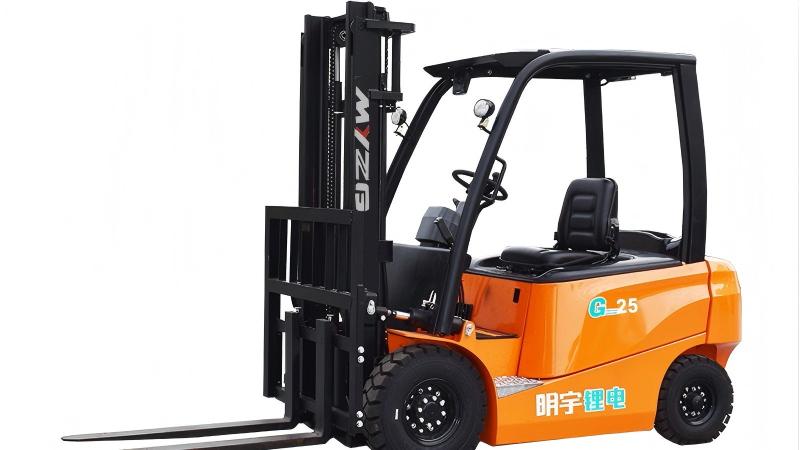
A two-wheel drive rough terrain forklift delivers power exclusively to its rear wheels. This configuration offers a compelling value proposition, characterized by a lower initial purchase price, generally reduced mechanical complexity leading to potentially lower maintenance costs over time, and often slightly better fuel efficiency due to less drivetrain friction. For operations conducted primarily on firm, compacted surfaces such as established gravel driveways, asphalt paving sites (post-base layer), or level hard-packed dirt, a 2WD model can be perfectly adequate. Its simplicity is an asset where consistent, reliable traction is available under the drive wheels. However, the inherent limitation of 2WD becomes starkly apparent when surface conditions deteriorate. On loose soil, sand, or mud, the powered rear wheels can easily lose grip and spin, leaving the machine stranded or unable to climb a grade. Furthermore, when traversing a side slope or operating on uneven ground, a 2WD forklift has less overall tire contact patch engagement for propulsion, which can compromise stability when under load. The machine’s effectiveness is therefore highly contingent on maintained ground conditions, and its operation may lead to frequent work stoppages after rain or on soft ground, requiring site remediation or waiting for drier conditions to resume work.
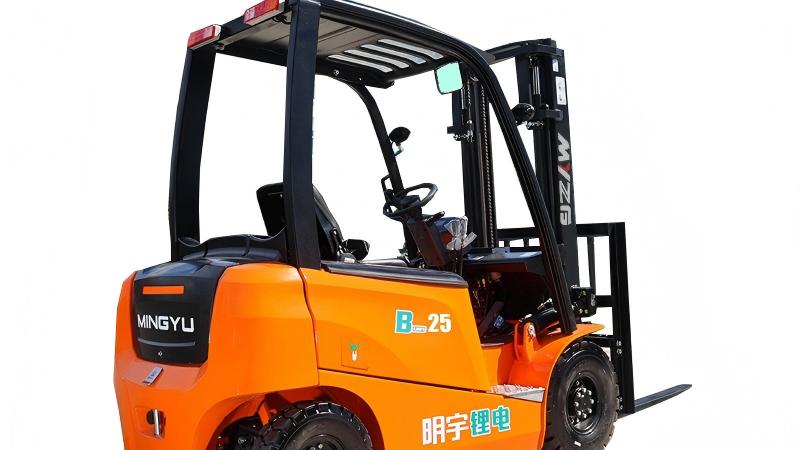
In contrast, a four-wheel drive rough terrain forklift engages all four wheels, distributing engine power to both the front and rear axles. This system provides a transformative leap in capability for challenging environments. The primary and most significant advantage is vastly superior traction. By having twice the number of driven wheels, a 4WD forklift can power through soft, slippery, or loose terrain that would immobilize a 2WD machine. This makes it indispensable for consistent operation on active construction sites with undeveloped ground, in muddy fields, on loose aggregate piles, or on damp grass. The enhanced traction directly translates to improved climbing ability, allowing the forklift to navigate steeper grades with confidence while carrying a load. Importantly, 4WD also contributes to greater overall stability. With power distributed to all corners, the machine is less prone to wheel slip on side slopes and maintains better control when operating on uneven surfaces. Many modern 4WD systems are equipped with limited-slip differentials or even locking differentials, which further optimize power delivery by sending torque to the wheels with the most grip, a crucial feature when one wheel is off the ground or spinning freely. This capability ensures continuous workflow and access to areas of a site that would otherwise be inaccessible, turning weather and ground conditions from a project-stopping obstacle into a manageable variable.
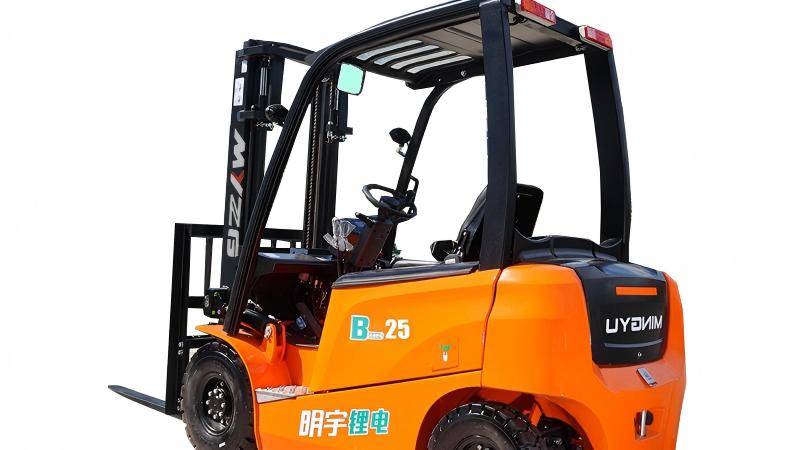
The decision between 2WD and 4WD ultimately hinges on a thorough and honest assessment of your typical and most severe working conditions, balanced against budgetary considerations. Begin by mapping your site: are surfaces consistently firm and level, or do they include soft patches, inclines, and are they susceptible to weather? Do you operate year-round, including during rainy seasons or spring thaw? If your operations are confined to relatively improved, stable ground and your budget is a primary constraint, a 2WD forklift may serve adequately. However, for the vast majority of outdoor, rough terrain applications—particularly in construction, infrastructure, and agriculture—the robustness and versatility of 4WD make it the overwhelmingly recommended choice. The higher initial investment is frequently justified by dramatically reduced downtime, fewer costly rescues from stuck equipment, the ability to work in a wider range of conditions, and the enhanced safety margin provided by superior traction and stability. When evaluating cost, consider the total cost of ownership: a slightly more expensive 4WD model that keeps your projects moving is far more valuable than a cheaper 2WD unit sitting idle. Therefore, while 2WD has its niche, 4WD stands as the default, productivity-safeguarding selection for true rough terrain material handling, ensuring your machine is a solution for the challenges, not a limitation defined by them.
Post time:Jan.04.2026
