
Do I Need a Formal License or IPAF Certification to Operate an Aerial Lift?
1. Introduction
Aerial lifts have become essential equipment across construction sites, warehouses, manufacturing facilities, airports, shopping centers, telecommunications projects, and industrial maintenance operations. Whether replacing lighting fixtures, installing steel structures, repairing roofs, or maintaining electrical systems, aerial work platforms provide workers with a safer and more efficient way to reach elevated work areas than traditional ladders or scaffolding.
Despite their widespread use, many people remain uncertain about the legal requirements for operating an aerial lift. Questions such as "Do I need a government-issued license?", "Is IPAF certification mandatory?", and "Will OSHA training be enough?" are frequently asked by employers, equipment rental companies, and first-time operators. The answer depends largely on your country's regulations, your employer's safety policies, and the type of work being performed.
Operating an aerial lift without proper training significantly increases the risk of falls, tip-overs, collisions, electrocution, and crushing incidents. For this reason, governments and safety organizations around the world require operators to receive adequate training before using this equipment. While many countries do not require a driver's license or special government permit specifically for aerial lifts, employers are typically responsible for ensuring that operators are properly trained and competent.
One of the most recognized training programs worldwide is offered by the International Powered Access Federation (IPAF). IPAF certification has become the industry standard in many countries and is accepted by thousands of contractors, rental companies, and employers. However, it is important to understand that IPAF certification is not always a legal requirement everywhere.
This guide explains the difference between government licenses, OSHA training requirements, employer authorization, and IPAF certification. It also covers who should obtain certification, what operator training includes, and how businesses can stay compliant while protecting workers from preventable accidents.
2. What Is an Aerial Lift?
An aerial lift, also known as a mobile elevating work platform (MEWP), is a machine designed to safely raise workers, tools, and materials to elevated work locations. Unlike ladders or scaffolding, aerial lifts provide a stable working platform that can be repositioned quickly, making them ideal for both indoor and outdoor tasks.
Modern aerial lifts come in several designs to suit different work environments.
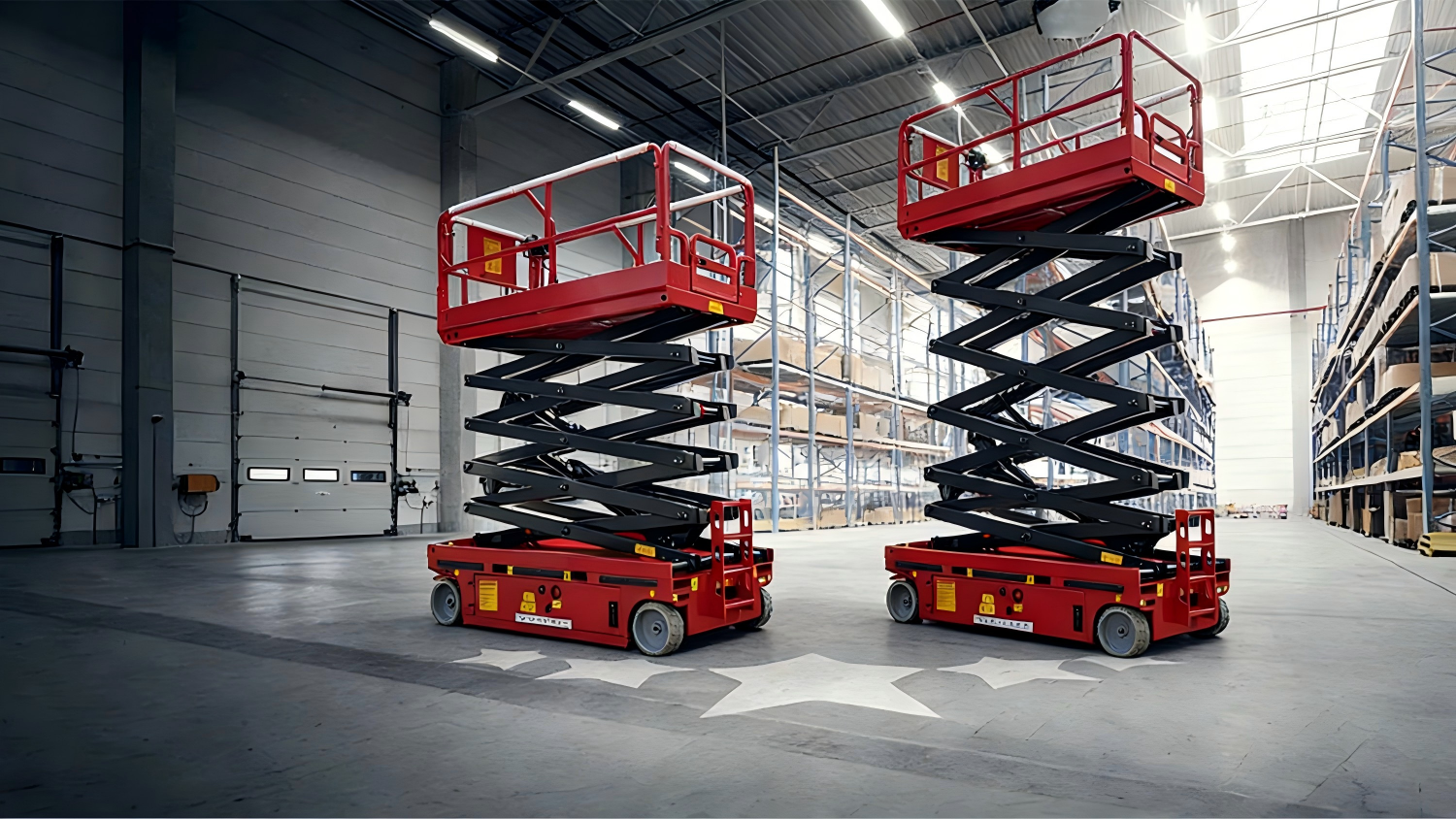
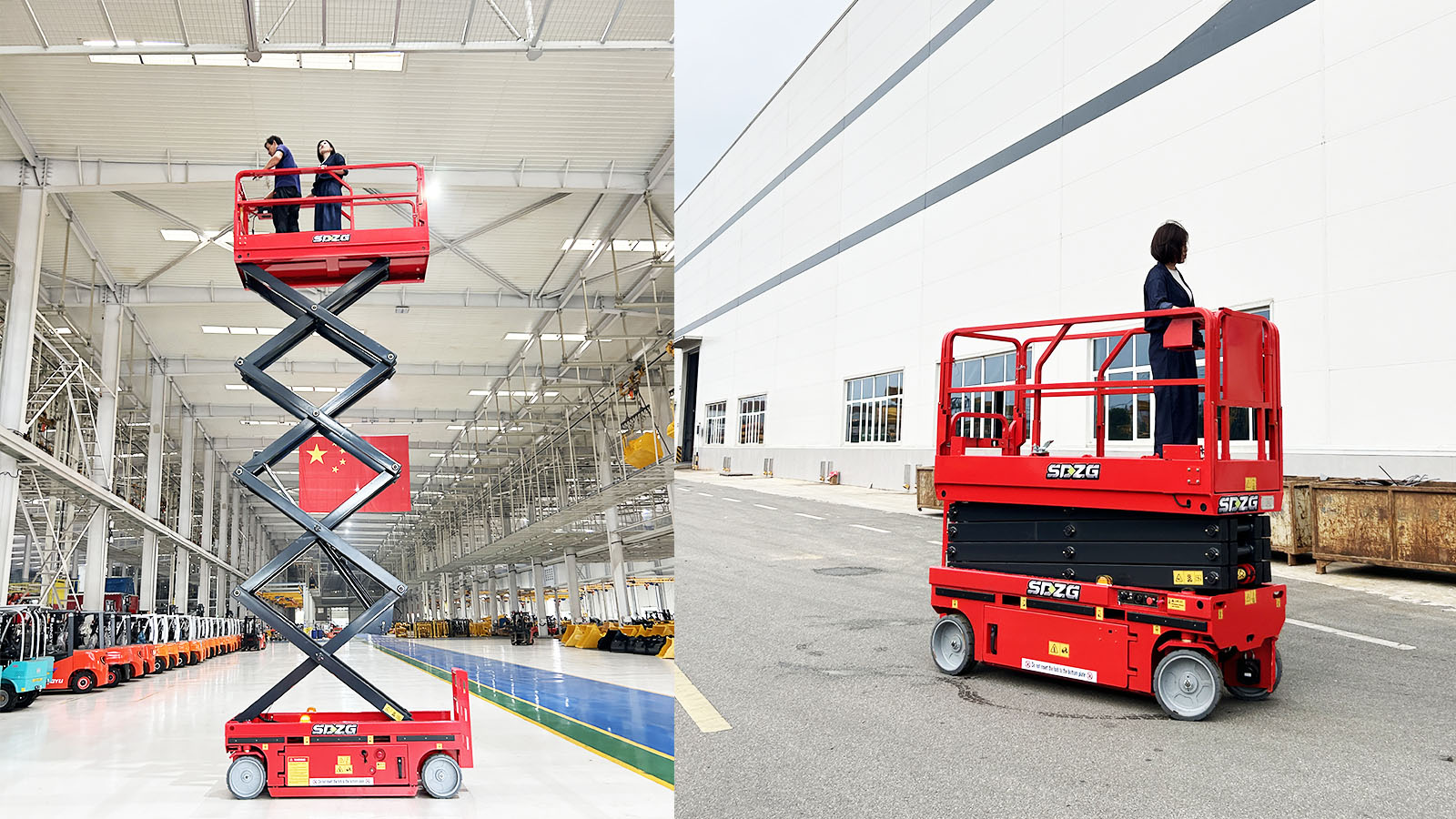
Scissor lifts move vertically and are commonly used on flat indoor surfaces such as warehouses and factories.
Articulating boom lifts feature multiple joints, allowing operators to maneuver around obstacles and reach difficult locations.
Telescopic boom lifts extend straight outward and are ideal for projects requiring long horizontal outreach.
Vertical mast lifts are compact machines designed for tight indoor spaces where maneuverability is important.
Trailer-mounted lifts offer portability and are frequently used by contractors performing maintenance at multiple locations.
Aerial lifts are widely used in:
Commercial construction
Building maintenance
Electrical installation
HVAC servicing
Telecommunications
Warehousing
Airports
Municipal maintenance
Tree trimming
Event setup
Although aerial lifts improve productivity, they also introduce hazards such as:
Falls from height
Machine tip-over
Collision with structures
Contact with overhead power lines
Entrapment between the platform and overhead obstacles
Falling tools or materials
Improper loading
Proper training greatly reduces these risks.
3. Do You Legally Need a License to Operate an Aerial Lift?
One of the biggest misconceptions is that operators need a government-issued driver's license specifically for aerial lifts. In most countries, this is not the case.
Instead, regulations typically require employers to ensure that workers receive proper training and demonstrate competence before operating the equipment.
In the United States, the Occupational Safety and Health Administration (OSHA) requires employers to train aerial lift operators according to workplace safety standards. OSHA does not issue operator licenses or certification cards itself. Rather, it requires employers to verify that operators are trained, evaluated, and authorized to use the specific equipment.
In Canada, provincial workplace safety regulations generally require operator training but not a government license.
Across Europe, many employers prefer or require internationally recognized certifications such as IPAF, although legal requirements vary by country.
Australia, New Zealand, Singapore, and several Middle Eastern countries have their own occupational safety regulations, with some projects requiring nationally approved training.
Regardless of location, employers are responsible for ensuring operators understand:
Equipment limitations
Site hazards
Safe operating procedures
Emergency response
Daily inspections
Manufacturer instructions
Operating without proper authorization may result in regulatory penalties, insurance complications, and increased liability after an accident.
4. What Is IPAF Certification?
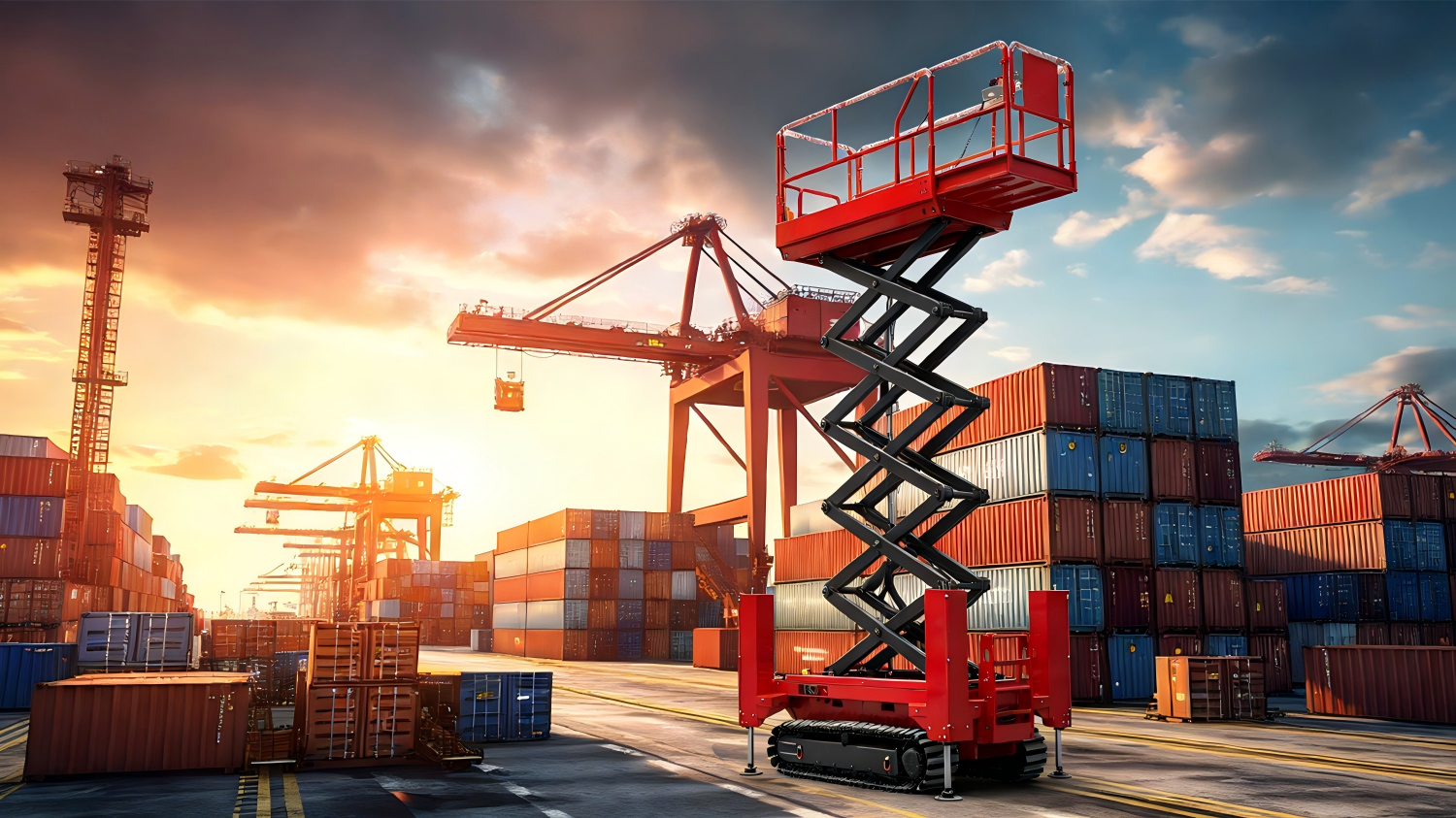
The International Powered Access Federation (IPAF) is a global organization dedicated to promoting the safe and effective use of powered access equipment.
Its training programs are recognized in over 70 countries and have become one of the most respected qualifications for aerial lift operators.
After successfully completing IPAF training, operators receive a Powered Access Licence (PAL Card), demonstrating that they have completed both theoretical and practical instruction.
IPAF offers training for multiple equipment categories, including:
Static vertical lifts
Static boom lifts
Mobile vertical lifts
Mobile boom lifts
Push-around vertical lifts
Training typically covers:
Safe operating procedures
Equipment controls
Machine inspections
Stability principles
Fall protection
Hazard recognition
Emergency lowering
Practical operation
Safe shutdown procedures
The PAL Card generally remains valid for five years, after which operators should complete refresher training to maintain competency.
Although IPAF certification is not legally mandatory everywhere, many multinational companies and rental providers strongly prefer or require it.
5. OSHA Training vs. IPAF Certification: What's the Difference?
Many people confuse OSHA requirements with IPAF certification, but they serve different purposes.
OSHA is a government regulatory agency in the United States. It establishes workplace safety standards and requires employers to ensure that aerial lift operators are properly trained. OSHA does not issue operator licenses or certification cards.
IPAF, by contrast, is an independent international organization that provides standardized training programs and issues the PAL Card to operators who successfully complete both classroom and practical assessments.
Key similarities include:
Focus on operator safety
Hazard recognition
Equipment inspection
Practical operation
Safe work practices
Emergency procedures
Key differences include:
|
OSHA |
IPAF |
|
Government safety regulation |
Industry training organization |
|
Employer responsible for training |
Accredited training providers conduct courses |
|
No official OSHA operator license |
PAL Card issued after successful assessment |
|
Primarily recognized in the U.S. |
Internationally recognized |
|
Compliance requirement |
Professional certification |
For companies operating internationally, IPAF certification often provides greater flexibility because it is recognized by contractors and equipment rental companies worldwide.
6. Who Should Obtain IPAF Certification?
Although not legally required for everyone, IPAF certification is valuable for many professionals.
Construction workers frequently operate boom lifts for steel erection, façade installation, and roofing.
Maintenance technicians use aerial lifts to service lighting, HVAC systems, fire protection equipment, and building exteriors.
Warehouse personnel use elevated platforms to inspect storage systems and perform facility maintenance.
Telecommunications crews rely on boom lifts when installing antennas and communication equipment.
Equipment rental companies often recommend or require certified operators before renting certain machines.
Contractors working on international projects benefit from having a widely recognized certification that demonstrates professional competence.
Even experienced operators can gain updated knowledge through IPAF training, particularly as new safety technologies and regulations continue to evolve.
7. What Does Aerial Lift Operator Training Include?
Quality operator training combines classroom instruction with hands-on practical evaluation.
Training begins by introducing the various types of aerial lifts and explaining their intended applications.
Operators learn how to conduct daily pre-operation inspections, checking hydraulic systems, tires, controls, emergency lowering devices, guardrails, batteries or fuel systems, alarms, and safety decals.
Hazard recognition is a major focus. Operators are taught to identify:
Uneven terrain
Soft ground
Overhead power lines
Wind hazards
Pedestrian traffic
Overhead obstructions
Confined work areas
Safe operating techniques include:
Maintaining stability
Proper platform positioning
Driving with the platform lowered when appropriate
Respecting rated load capacities
Avoiding sudden movements
Keeping guardrails in place
Training also emphasizes fall protection. Depending on the equipment type and local regulations, operators may be required to wear a full-body harness connected to an approved anchor point.
Emergency procedures cover:
Emergency lowering systems
Machine malfunction
Rescue planning
Power failures
Medical emergencies
Finally, trainees complete a practical evaluation demonstrating they can safely inspect, operate, maneuver, elevate, and park the equipment.
8. Frequently Asked Questions About Aerial Lift Certification
Can I operate a scissor lift without IPAF certification?
In many countries, yes, provided you have received adequate employer-approved training and authorization. However, some employers and job sites specifically require IPAF certification.
Is a driver's license required?
Generally, no. A standard driver's license is usually unrelated to aerial lift operation unless local laws or job-site rules state otherwise.
How long is IPAF certification valid?
The IPAF PAL Card is generally valid for five years before renewal or refresher training is required.
Can online training replace practical instruction?
No. While online learning can cover theory, operators should also complete hands-on practical training and competency assessment before operating equipment independently.
Does certification transfer between employers?
IPAF certification belongs to the operator and is widely recognized. However, each employer should still provide site-specific familiarization training and authorization.
Do experienced operators still need refresher training?
Yes. Regulations, equipment technology, and workplace hazards change over time. Refresher training helps maintain safe operating practices.
What happens if someone operates without proper training?
The risk of accidents increases significantly. Employers may also face legal penalties, insurance issues, and liability if an untrained operator causes an incident.
Should rental companies verify operator qualifications?
Many reputable rental companies ask customers to confirm that operators are trained and competent before releasing equipment. This helps promote safe operation and reduce liability.
9. Conclusion
Whether you need a formal license or IPAF certification to operate an aerial lift depends on your country, local regulations, employer policies, and the type of project you are working on. In many regions, there is no government-issued aerial lift license, but employers are legally responsible for ensuring that operators are properly trained, competent, and authorized before using the equipment.
IPAF certification is one of the most respected and widely recognized qualifications in the powered access industry. Although it is not mandatory in every country, it provides standardized training that enhances operator skills, supports compliance, and is often preferred by contractors, rental companies, and multinational organizations.
Regardless of the certification path, the ultimate goal is safe operation. Comprehensive training, regular equipment inspections, hazard awareness, and adherence to manufacturer guidelines are essential for preventing accidents and maintaining a safe workplace. Investing in proper operator education not only protects workers but also improves productivity, reduces downtime, and helps businesses meet their legal and professional responsibilities.
Post time:Aug.06.2026
