
Can Electric Forklifts Work Outdoors on Rough Uneven Ground?
1. Introduction
Electric forklifts have become increasingly popular across warehouses, factories, distribution centers, and logistics facilities due to their low operating costs, quiet performance, and environmentally friendly operation. Compared with diesel or LPG forklifts, electric models produce zero tailpipe emissions, require less maintenance, and offer smoother operation, making them ideal for indoor material handling. Advances in lithium-ion battery technology have further improved productivity by providing longer operating times, faster charging, and reduced maintenance requirements.
As businesses continue to expand outdoor storage areas and mixed indoor-outdoor operations, many buyers wonder whether electric forklifts can also perform effectively outside the warehouse. It is common to see electric forklifts transporting pallets between buildings, unloading trucks in loading yards, or handling materials in outdoor storage areas. However, outdoor environments often present conditions that differ greatly from the smooth concrete floors found inside warehouses.
Rough uneven ground—including gravel, broken concrete, dirt roads, potholes, slopes, loose stones, mud, and construction sites—creates additional challenges for both operators and equipment. Unlike forklifts specifically designed for rough terrain, most standard electric forklifts are engineered primarily for paved surfaces. Operating them on unsuitable terrain may reduce stability, increase component wear, shorten battery life, and create significant safety hazards.
The answer to whether an electric forklift can work outdoors on rough uneven ground is not simply yes or no. The actual performance depends on many variables, including the type of electric forklift, tire configuration, ground conditions, load weight, weather, operator experience, and the specific job being performed. Some outdoor applications are perfectly acceptable, while others exceed the safe operating limits of conventional electric forklifts.
This article examines the capabilities and limitations of electric forklifts on rough outdoor terrain. It explains how different ground conditions affect performance, identifies the major risks involved, discusses practical safety measures, and compares standard electric forklifts with rough-terrain alternatives. By understanding these factors, businesses can make better equipment purchasing decisions while improving workplace safety and operational efficiency.
2. Are Electric Forklifts Designed for Outdoor Use?
Electric forklifts were traditionally developed for indoor environments where floors are smooth, level, and clean. Warehouses, production facilities, retail distribution centers, and food processing plants typically provide ideal operating conditions for electric-powered equipment. Their quiet operation, zero exhaust emissions, and precise control make them especially suitable for enclosed workspaces.
However, this does not mean electric forklifts are limited exclusively to indoor use. Many modern electric forklifts are capable of operating outdoors under appropriate conditions. They are commonly used in loading docks, paved storage yards, container handling areas, and manufacturing facilities where outdoor surfaces remain relatively flat and stable.
The suitability for outdoor operation largely depends on tire selection. Electric forklifts equipped with cushion tires are primarily intended for smooth concrete floors. Cushion tires provide excellent maneuverability and low rolling resistance but perform poorly on gravel, loose soil, or uneven surfaces because of their limited shock absorption and traction.
Electric forklifts equipped with pneumatic tires offer significantly better outdoor performance. Air-filled tires absorb impacts more effectively, provide improved traction, and allow the machine to travel more comfortably over moderate surface irregularities. Solid pneumatic-style tires combine some of these benefits while reducing the risk of punctures.
It is important to understand that even pneumatic-tire electric forklifts are not the same as rough-terrain forklifts. Rough-terrain models feature higher ground clearance, reinforced frames, larger off-road tires, stronger drive systems, and often four-wheel drive capabilities specifically designed for construction sites and difficult terrain.
Most forklift manufacturers recommend operating standard electric forklifts only on firm, stable surfaces. While occasional outdoor use is generally acceptable, continuous operation on severely uneven ground may exceed the machine's intended design parameters.
3. What Counts as Rough Uneven Ground?
Not every outdoor surface presents the same level of difficulty. Understanding different types of terrain helps determine whether a standard electric forklift can operate safely.
Gravel roads are one of the most common outdoor surfaces found in industrial facilities. Fine, compacted gravel may present relatively minor challenges, while loose gravel reduces tire traction and increases vibration.
Dirt roads vary considerably depending on weather conditions. Dry, compacted soil may be reasonably stable, but loose dirt becomes slippery after rainfall and may create uneven wheel support.
Construction sites often contain highly irregular surfaces with rocks, trenches, debris, and temporary access roads. These environments generally exceed the capabilities of conventional electric forklifts.
Broken concrete represents another common challenge. Warehouse yards frequently develop cracks, potholes, settlement, and damaged expansion joints after years of heavy truck traffic. These defects create sudden impacts that affect forklift stability.
Mud is particularly problematic because it dramatically reduces traction. Electric forklifts may lose steering control, become stuck, or experience excessive wheel spin, especially when carrying heavy loads.
Grass surfaces also deserve attention. Dry grass may support light equipment temporarily, but wet grass offers very little traction and often hides soft ground underneath.
Slopes and ramps introduce additional complexity. Uphill and downhill travel shifts the forklift's center of gravity, increasing the importance of proper load positioning and careful driving techniques.
Warehouse managers should evaluate outdoor surfaces regularly to determine whether they remain suitable for electric forklift operation or require alternative equipment.
4. Can Electric Forklifts Operate Safely on Rough Ground?
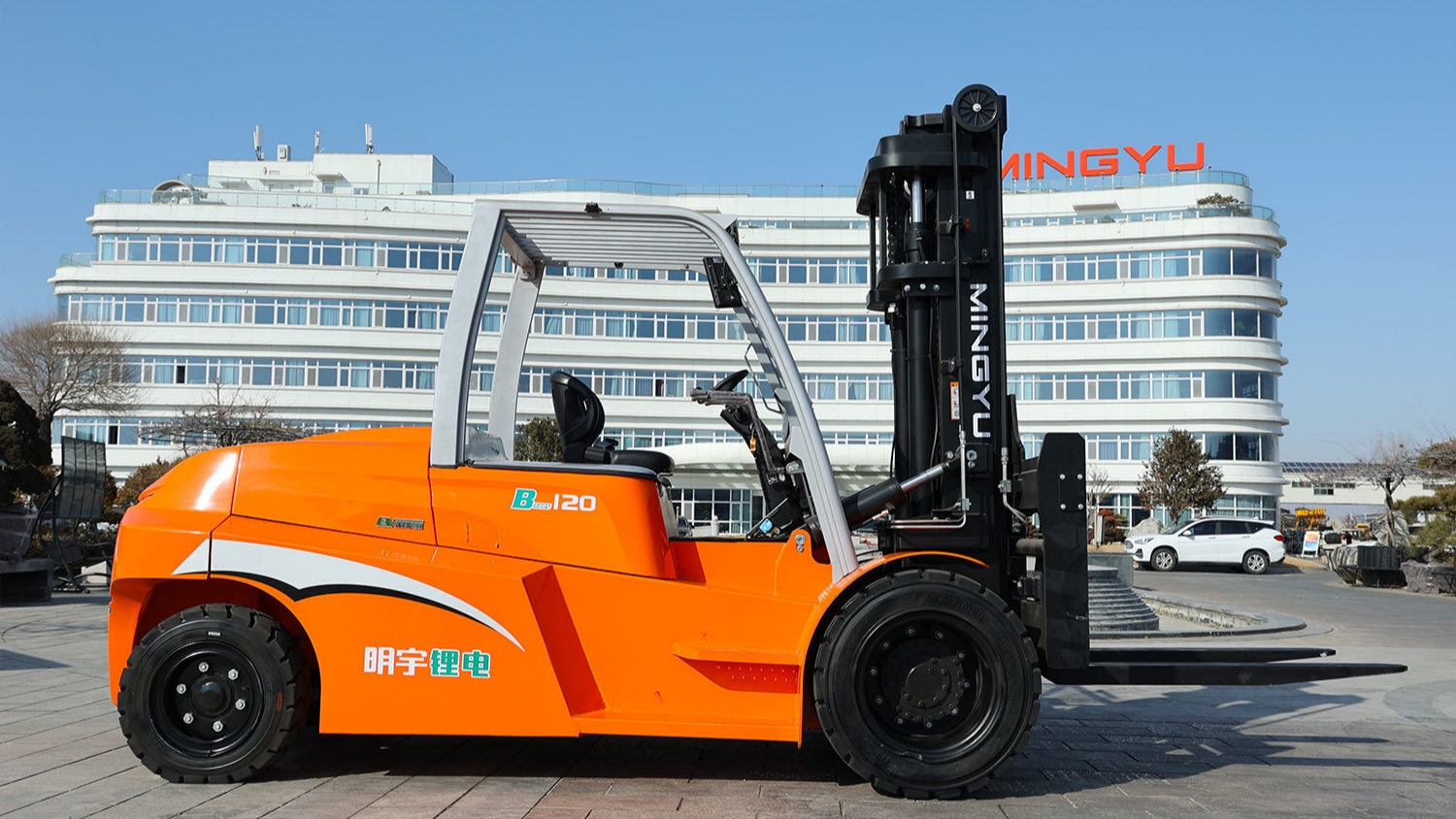
Electric forklifts can operate safely on certain outdoor surfaces, but only within reasonable limits. Smooth asphalt, well-maintained concrete, compacted gravel, and stable paved yards generally allow safe operation when proper procedures are followed.
Problems arise as surface irregularities become more severe. Large potholes, deep gravel, loose rocks, soft soil, and muddy conditions significantly reduce stability and traction. These conditions increase the likelihood of wheel slippage, uncontrolled steering, and load instability.
Forklift stability depends heavily on maintaining consistent wheel contact with the ground. Uneven terrain causes wheels to rise and fall independently, changing the machine's balance. When carrying elevated loads, even relatively small bumps may produce significant load oscillation.
Steering performance also changes dramatically on rough surfaces. Tires experience varying traction levels, making steering responses less predictable. Braking distances may increase because tires cannot generate maximum grip.
Load security becomes another concern. Continuous vibration and repeated impacts may shift pallets, loosen packaging, or cause fragile products to fall. Tall loads with high centers of gravity become especially vulnerable.
Fortunately, many outdoor operations involve only short travel distances across reasonably maintained yards. In these situations, electric forklifts often perform satisfactorily when operators reduce speed, lower loads, and remain attentive to changing ground conditions.
Ultimately, safe outdoor operation depends more on matching the forklift to the terrain than on whether the power source is electric.
5. Key Factors That Affect Outdoor Performance
Several factors determine how well an electric forklift performs on rough uneven ground.
The first is tire type. Cushion tires perform best indoors but struggle outdoors. Pneumatic tires improve traction, ride comfort, and stability. Solid pneumatic tires offer a compromise between durability and outdoor capability.
Ground clearance is another important consideration. Low-clearance forklifts are more likely to scrape the underside of the chassis when crossing uneven surfaces or obstacles.
Forklift weight also influences performance. The heavy battery pack lowers the center of gravity, improving stability on flat surfaces. However, on rough terrain, greater weight increases ground pressure and may cause the forklift to sink into soft soil.
Load weight directly affects stability. Heavy loads increase stopping distance, reduce steering precision, and magnify the effects of bumps and slopes.
Weather conditions should never be ignored. Rain, snow, ice, and standing water dramatically reduce traction while increasing the likelihood of slipping.
Travel speed significantly affects dynamic stability. Slower movement reduces impact forces and allows operators more time to react to obstacles.
Operator experience is equally important. Skilled operators recognize unsafe terrain, maintain proper load positioning, and adjust driving techniques according to surface conditions.
Finally, equipment maintenance plays a major role. Proper tire inflation, steering adjustment, brake performance, hydraulic integrity, and battery condition all contribute to safe outdoor operation.
6. Common Risks of Using Electric Forklifts Outdoors
Reduced traction is one of the most obvious risks. Loose gravel, wet concrete, mud, or sand decrease tire grip and increase stopping distances.
Tip-over risk also increases on uneven terrain. Lateral slopes, potholes, and elevated loads may combine to shift the center of gravity beyond the forklift's stability triangle.
Load instability represents another major hazard. Vibrations and impacts may damage products, loosen packaging, or cause falling objects that endanger nearby workers.
Electrical systems require additional protection outdoors. Although modern electric forklifts are designed to resist rain and dust to varying degrees, prolonged exposure to standing water or severe weather should be avoided.
Outdoor operation also accelerates tire wear. Rough surfaces generate higher abrasion levels, shortening tire service life.
Hydraulic hoses, steering components, mast rollers, and suspension elements experience greater impact loads, increasing maintenance requirements.
Reduced productivity may also occur. Operators naturally slow down on difficult terrain, reducing travel efficiency and increasing cycle times.
These risks do not necessarily prevent outdoor operation, but they require careful planning, proper maintenance, and well-trained operators.
7. How to Improve Safety on Uneven Ground
Safe outdoor operation begins with evaluating the worksite. Managers should inspect travel routes regularly for potholes, loose gravel, soft ground, standing water, and construction hazards.
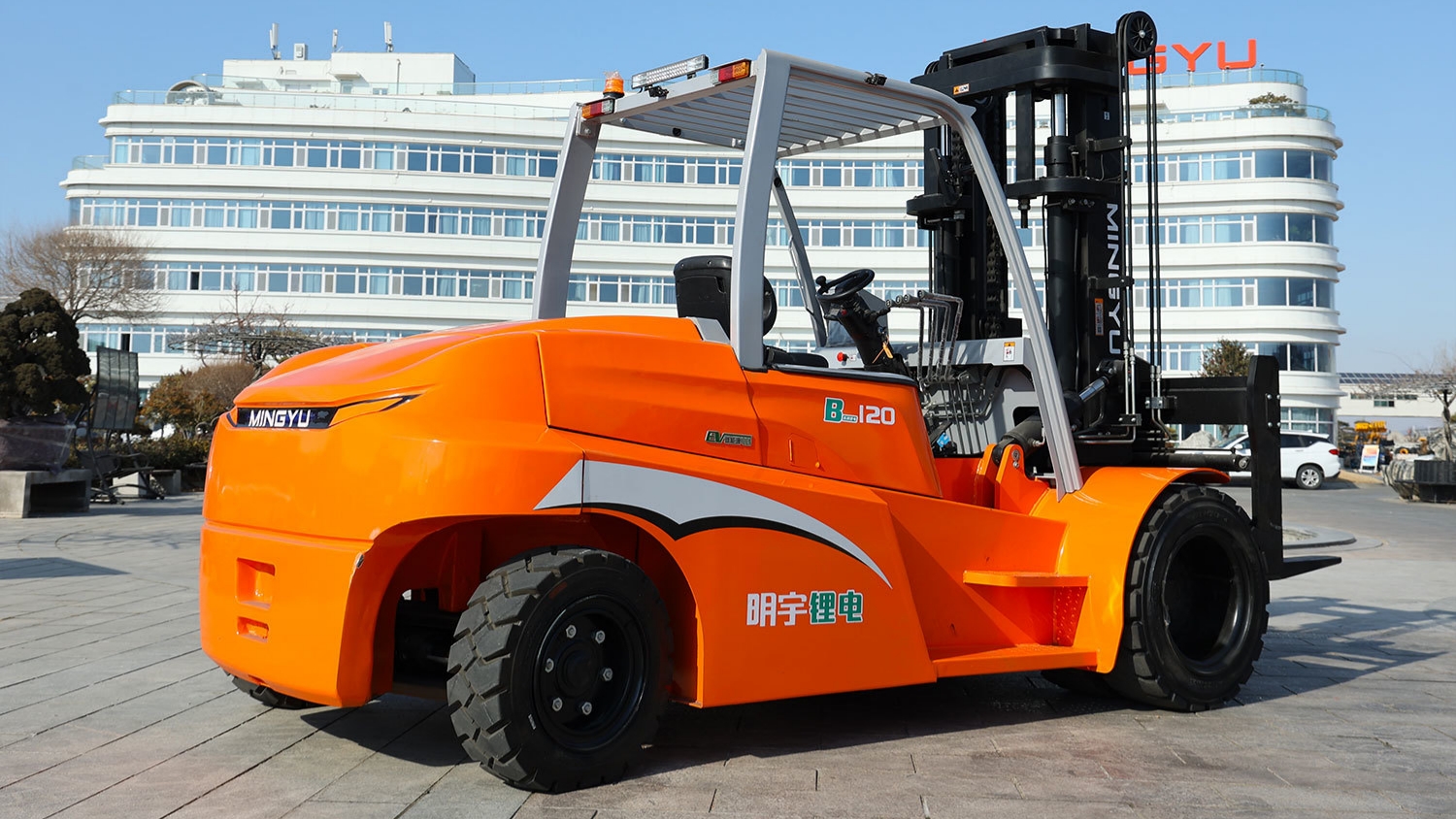
Selecting appropriate tires is one of the simplest ways to improve performance. Pneumatic tires generally provide better traction and ride comfort than cushion tires for outdoor applications.
Loads should remain as low as practical during travel. Keeping forks near ground level minimizes the center of gravity and improves overall stability.
Operators should reduce travel speed significantly compared with indoor operation. Slower speeds decrease impact forces and improve vehicle control.
Sharp turns should be avoided while carrying loads. Smooth steering minimizes lateral forces that contribute to tip-over accidents.
Slope operating procedures should always follow manufacturer recommendations. Generally, loaded forklifts travel with the load facing uphill whenever practical.
Daily equipment inspections help identify worn tires, loose steering components, hydraulic leaks, damaged forks, and brake problems before they become serious safety issues.
Finally, comprehensive operator training remains essential. Drivers should understand terrain limitations, safe outdoor driving techniques, weather-related hazards, and emergency response procedures.
8. When You Should Choose a Rough-Terrain Forklift Instead
Standard electric forklifts perform well on paved outdoor surfaces, but they are not intended for every environment.
Construction sites, farms, lumber yards, mines, and undeveloped industrial sites often require rough-terrain forklifts specifically designed for off-road conditions.
Rough-terrain forklifts feature larger pneumatic tires, increased ground clearance, reinforced chassis, stronger drive axles, and frequently four-wheel drive systems. These features allow safe operation over rocks, mud, loose soil, and steep slopes.
Although rough-terrain forklifts generally cost more and consume more energy, they provide higher productivity and lower long-term maintenance costs when operating continuously on difficult terrain.
Attempting to use a standard electric forklift where a rough-terrain forklift is required often results in reduced productivity, increased repairs, and greater safety risks.
Businesses should evaluate actual operating conditions rather than simply comparing purchase prices. Choosing equipment designed for the environment usually delivers better long-term value.
9. Conclusion
Electric forklifts can successfully operate outdoors, but their performance depends heavily on ground conditions, equipment configuration, and operating practices. Smooth concrete, asphalt, and well-maintained industrial yards generally present no significant problems. However, rough uneven ground—including deep gravel, mud, broken concrete, construction sites, and steep slopes—may exceed the capabilities of standard electric forklifts.
Factors such as tire type, ground clearance, load weight, travel speed, weather conditions, and operator training all influence safe operation. Careful route planning, routine maintenance, reduced travel speeds, and proper load handling significantly improve safety and equipment reliability.
For businesses that regularly work on challenging outdoor terrain, investing in a dedicated rough-terrain forklift often provides greater productivity, lower maintenance costs, and a much higher level of operational safety.
By selecting the right forklift for the working environment and following manufacturer recommendations, companies can maximize equipment lifespan, protect employees, reduce downtime, and maintain efficient material handling operations in both indoor and outdoor settings.
Post time:Jul.09.2026
