
The deployment of LPG (Liquefied Petroleum Gas) forklifts within the confines of warehouses and other indoor spaces presents a complex safety paradox, blending undeniable operational advantages with a potentially lethal, invisible threat. On one hand, LPG forklifts are lauded for their robust power, consistent performance across shifts without lengthy charging downtimes, and the flexibility to seamlessly transition between indoor and outdoor tasks. This makes them an economically and logistically attractive option for many distribution centers and manufacturing facilities. On the other hand, the core of their power source—an internal combustion engine—fundamentally generates exhaust gases as a byproduct of operation. The most dangerous component of this exhaust is carbon monoxide (CO), a colorless, odorless, and tasteless gas that is highly toxic to humans. In an open environment, these emissions dissipate harmlessly into the atmosphere. However, within an enclosed space, even a small, well-maintained LPG forklift can produce enough CO to rapidly accumulate to dangerous concentrations. The safety of these machines indoors is therefore not a matter of chance but of meticulous, uncompromising risk management. It transforms the question from "Are they safe?" to "Under what stringent conditions can their risks be effectively controlled?" The answer lies in a multi-layered defense strategy that interweaves engineering controls, administrative procedures, and continuous human vigilance to create a safe operational envelope, ensuring that the productivity benefits do not come at the cost of human health and safety.
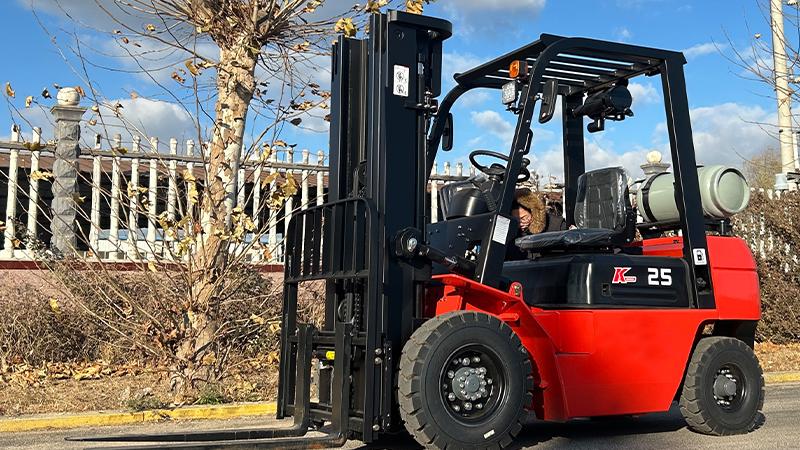
The first and most critical line of defense against the hazard of carbon monoxide is a sophisticated and reliably functioning ventilation system. Natural ventilation, such as opening dock doors and windows, is often insufficient and highly unreliable, subject to the whims of weather and often compromised for climate control. Therefore, mechanical ventilation systems are non-negotiable for any facility regularly operating LPG forklifts indoors. These systems must be specifically engineered to provide a high rate of air exchange, effectively diluting and removing contaminated indoor air and replacing it with fresh outdoor air. The design criteria should account for the number of forklifts in operation, the cubic volume of the space, the intensity of the work (as higher engine loads produce more exhaust), and the layout of the facility to prevent stagnant air pockets. This is not a simple exhaust fan; it is a calculated air handling system that must be integrated into the building's infrastructure. Furthermore, this ventilation must be operational whenever a forklift is running, without exception. A common and dangerous practice is to turn off ventilation systems during cold weather to conserve heat, which can lead to a rapid and catastrophic buildup of CO. The ventilation system acts as the primary engineering control, and its failure represents a single point of failure for the entire safety protocol, underscoring the need for regular maintenance and monitoring of the ventilation equipment itself.
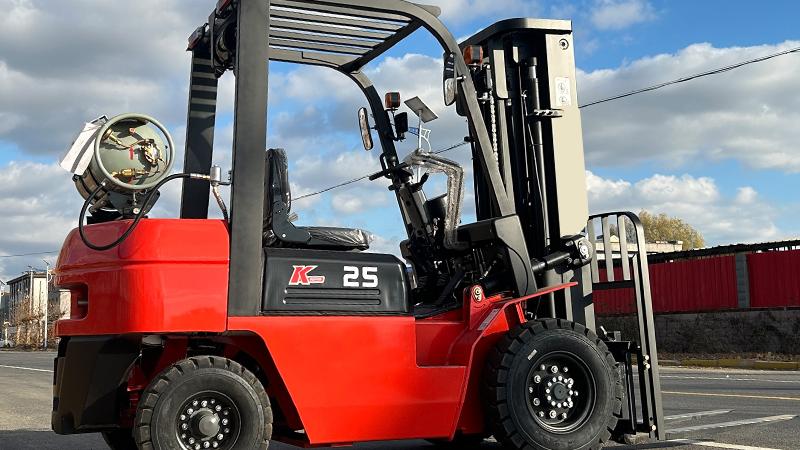
While a robust ventilation system addresses the ambient environment, the source of the pollution—the forklift itself—must be held to the highest standard of maintenance to minimize its emissions output. A perfectly tuned LPG engine running on high-quality fuel will produce relatively low levels of CO, as its combustion process is efficient. However, even minor mechanical issues can drastically increase emissions. A clogged air filter, a misfiring spark plug, a malfunctioning oxygen sensor, or a faulty carburetor can lead to a "rich burn" condition, where an excess of fuel is not completely burned, resulting in a dramatic spike in carbon monoxide production. The catalytic converter, designed to further reduce harmful emissions, can be poisoned by contaminants or rendered ineffective by physical damage or age. Consequently, a proactive and documented preventive maintenance schedule is paramount. This goes far beyond changing the oil and checking the tires; it must include regular emissions testing with a combustion analyzer to verify that the engine is operating within safe parameters. Using contaminated or off-specification LPG fuel can also introduce impurities that foul the combustion system and increase CO output. Therefore, a holistic maintenance regimen that encompasses the engine, fuel system, exhaust after-treatment, and the quality of the fuel itself is essential to ensure that each forklift is operating as cleanly as possible, thereby reducing the toxic load that the ventilation system must manage.
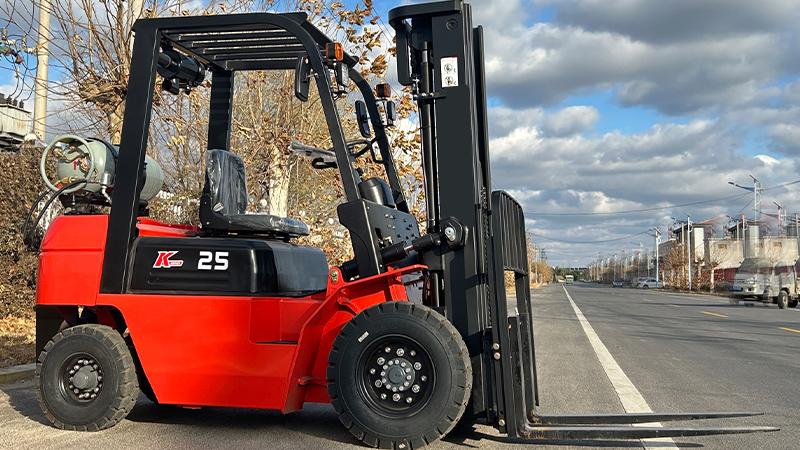
The final, indispensable layer of safety integrates technology and human factors to act as a last line of defense. This layer comprises continuous air quality monitoring and comprehensive operator training. Permanent, professionally installed carbon monoxide monitoring systems with sensors placed at breathing height in strategic locations throughout the facility are crucial. These systems must be equipped with audible and visual alarms that trigger at predefined exposure limits (e.g., 35 ppm as a threshold for investigation and 50 ppm for immediate evacuation), providing an immediate warning of a failing ventilation system or a malfunctioning forklift before CO levels become immediately dangerous to life and health (IDLH). Regular bump testing and calibration of these sensors are essential to ensure their reliability. Parallel to this technological safeguard is the human element. Forklift operators and all personnel working in the area must receive thorough training on the specific hazards of LPG, including the symptoms of CO poisoning (headache, dizziness, nausea, confusion) and the imperative to evacuate immediately if alarms sound or symptoms are felt. Furthermore, strict administrative controls, such as enforcing "no-idling" policies to minimize unnecessary emissions and mandating that LPG tank changes occur only in designated, well-ventilated outdoor areas, are critical behavioral components. When evaluating the use of LPG forklifts for a purely indoor application, electric models present a clear and superior alternative from an air quality standpoint, producing zero localized emissions. However, for multi-environment operations demanding high power and rapid refueling, a diligently managed LPG fleet, guarded by this multi-faceted safety strategy, can operate safely, protecting the most valuable asset in any facility: its people.
Post time:Oct.23.2025
