
The term "danger zone" in material handling and industrial safety refers to the immediate area surrounding an operating forklift where the risk of accidents, injuries, or fatalities is significantly elevated. This zone is not a fixed, universally measured space but a dynamic and fluid perimeter that expands and contracts based on a multitude of factors, including the forklift's size, speed, load characteristics, and the specific maneuvers being performed. Fundamentally, it encompasses the areas to the front, rear, and sides of the vehicle, extending several meters in each direction. The primary hazards within this zone are multifaceted; they include the risk of being struck by the moving vehicle itself, which can be silent in electric models, crushed between the forklift and a fixed structure or another vehicle, pinned by the mast or lifting mechanism during elevation, or hit by a falling load that has been improperly secured or stacked. Understanding the existence and variable nature of this danger zone is the foundational first step for any comprehensive workplace safety program, as it establishes a mental and physical boundary that both operators and pedestrians must respect to ensure a secure working environment. The consequences of ignoring this invisible yet critical boundary are often severe, leading to debilitating injuries, long-term trauma, and significant financial and operational repercussions for businesses, making its recognition a non-negotiable aspect of daily operations in warehouses, distribution centers, and manufacturing plants worldwide.
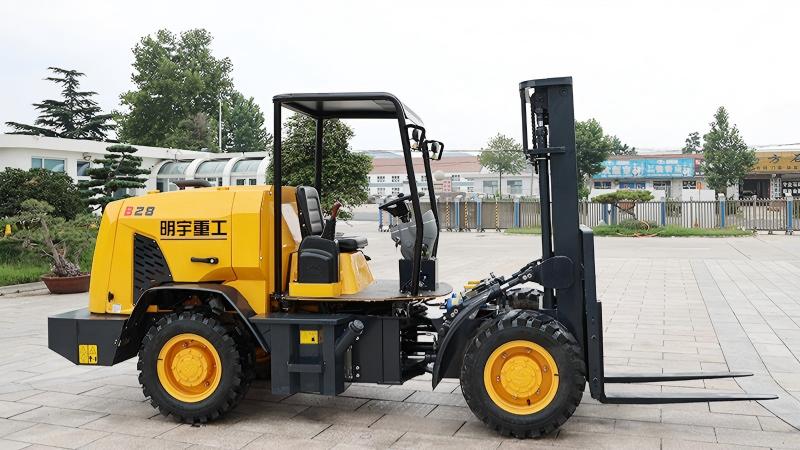
The dimensions and specific risk profiles within the danger zone can be broken down into several key sectors, each presenting unique challenges. The area directly in front of the forklift is particularly hazardous during travel and load manipulation. A load obstructing the operator's forward view necessitates driving in reverse, a common practice that instantly reorients the primary danger zone. The sides of the forklift are vulnerable during turning maneuvers, where the rear wheels dictate the turning radius, causing the back end to swing out widely and potentially sweep away anything or anyone in its path—a phenomenon known as "tail swing." Furthermore, the space immediately around the forklift's forks and mast is a high-risk area during lifting, tilting, and lowering operations, where a misplaced hand or a sudden mechanical failure can lead to crushing injuries. Pedestrians are exceptionally vulnerable within this entire zone. A momentary lapse in attention, such as using a phone or walking with a obscured line of sight, can bring them into fatal proximity with the operating machinery. The synergy of human error, either from the operator or the pedestrian, and the immense power and often limited visibility of a forklift creates a perfect storm for accidents. It is a critical realization that the danger zone is not static; it pulsates with the forklift's activities, and its boundaries can shift in an instant, demanding constant vigilance from everyone in the vicinity, not just the trained operator behind the controls.
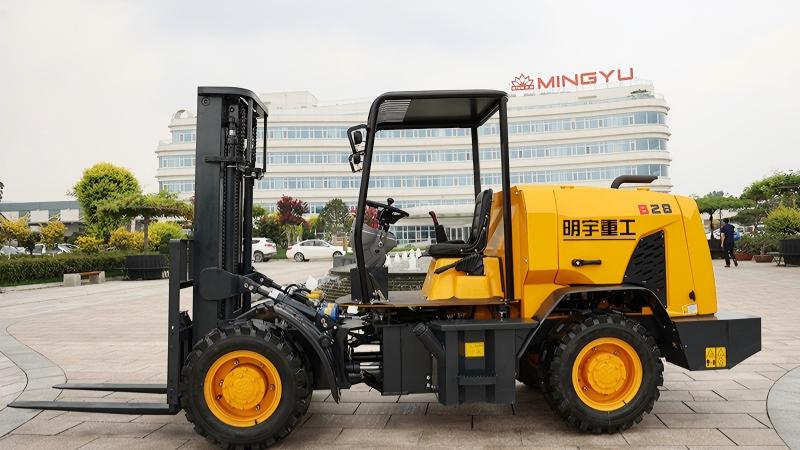
Mitigating the risks associated with the forklift danger zone requires a multi-layered, proactive approach centered on comprehensive training, stringent administrative controls, and the strategic implementation of engineering solutions. Operator training and certification are paramount; operators must be thoroughly educated on the dynamics of their vehicle, including load limits, stability principles, and the specific blind spots that plague their field of vision. However, safety is not solely the operator's responsibility. Pedestrian training is equally crucial. All personnel working in areas where forklifts operate must be instructed to maintain a safe distance, make eye contact with operators before approaching, avoid walking in designated forklift travel aisles, and remain highly alert to auditory and visual cues like reversing alarms and warning lights. Administrative controls, such as clearly marking and physically separating pedestrian walkways from forklift traffic routes using barriers, painting dedicated crossing points, and establishing one-way systems, are highly effective in reducing unauthorized incursions into the danger zone. Moreover, companies should enforce strict speed limits and implement robust traffic management plans tailored to their specific facility layout. These human and procedural measures form the bedrock of a safe working culture, creating a shared responsibility for safety that extends from the warehouse floor to upper management.
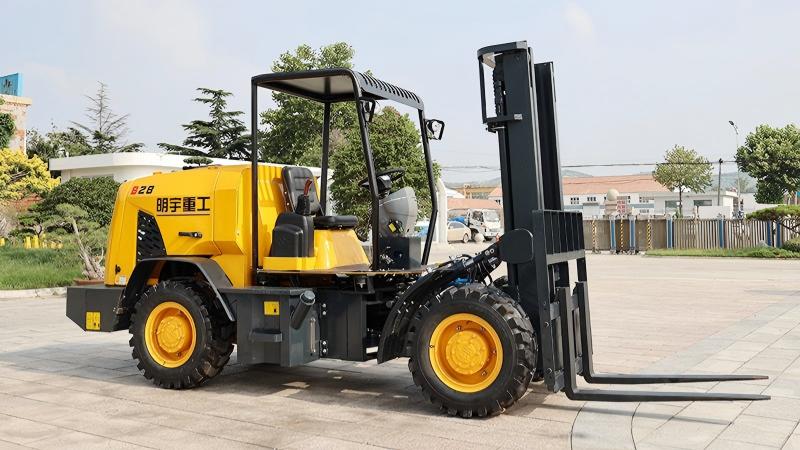
In the modern industrial landscape, technology plays an increasingly vital role in augmenting traditional safety measures and creating a safer interaction between forklifts and personnel. A wide array of advanced safety systems are now available to help define, monitor, and protect the danger zone. These include proximity detection systems and radar-based sensors that can automatically slow down or stop a forklift when a pedestrian or obstacle is detected within a predefined range. Blue spotlights that project a visible zone of light onto the floor in front of or behind the forklift serve as a clear visual warning to pedestrians that a vehicle is approaching, even if they cannot see the vehicle itself. Wearable devices for pedestrians, such as tags that vibrate or sound an alarm when they enter a high-risk area around a tagged forklift, are another innovative solution. Ultimately, fostering a pervasive culture of safety is the most critical defense. This involves regular safety audits, open communication channels for reporting hazards, and leadership that visibly champions safety as a core value. By integrating continuous education, clear procedures, and cutting-edge technology, businesses can effectively shrink the perilous boundaries of the forklift danger zone, transforming it from a high-risk area into a well-managed and respected space, thereby safeguarding their most valuable asset: their people.
Post time:Nov.26.2025
